In today’s rapidly shifting world, a high GPA is only one piece of the success puzzle. To truly thrive, children need a "human toolkit" - the ability to think independently, pivot through challenges, and work across cultures.
While traditional systems often focus on content (what to learn), the International Baccalaureate (IB) focuses on competency (how to learn). These are known as Approaches to Learning (ATL) skills.
8 Skills for a Future-Ready Mindset
1. Critical Thinking & Analysis
IB students don’t just memorize answers; they question the source. By learning to deconstruct information and evaluate evidence through inquiry-based learning, your child becomes an independent thinker capable of spotting bias and making informed decisions in a world of misinformation.
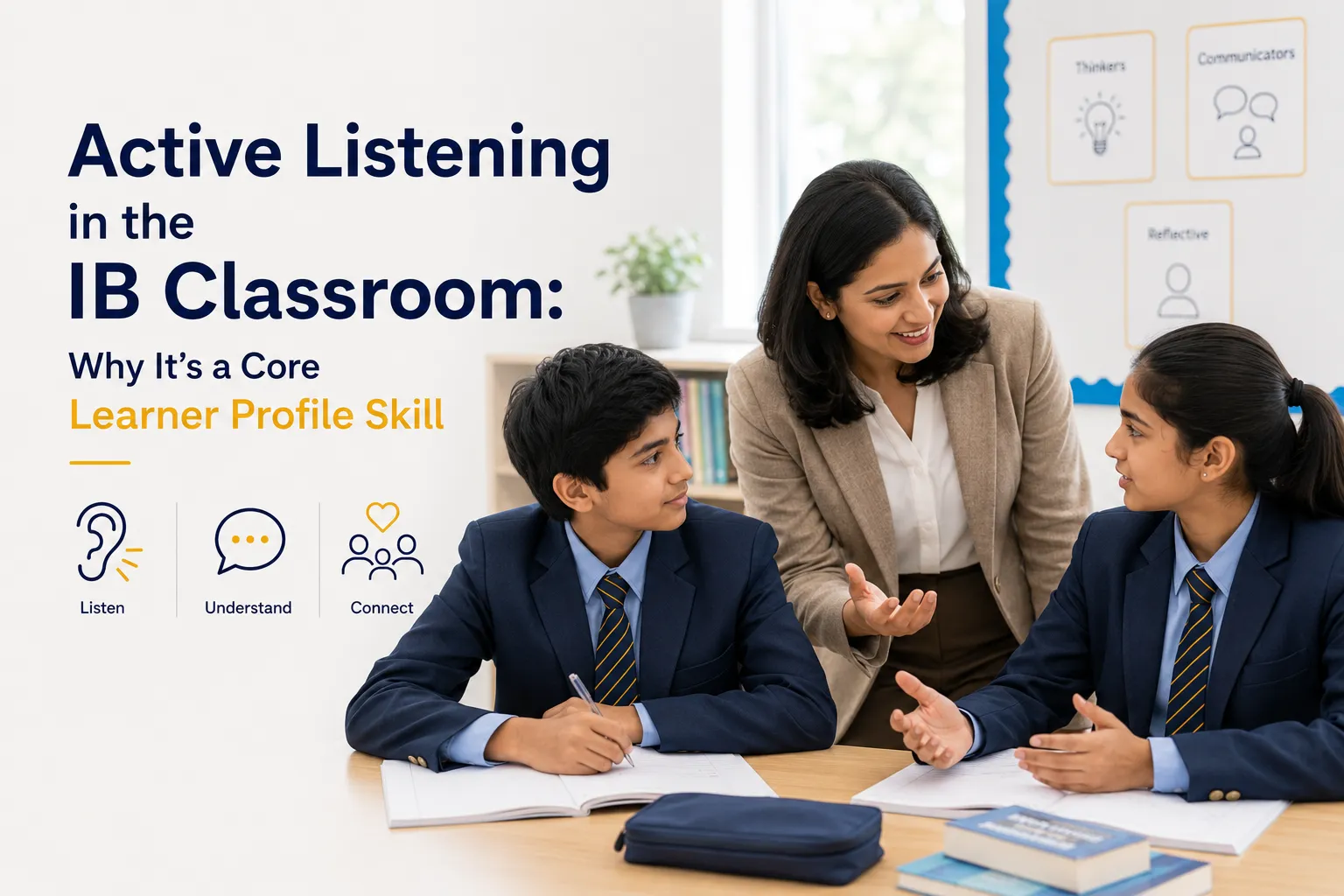
2. Advanced Communication
The IB emphasizes expressing ideas clearly across speaking, writing, digital media, and second languages. By regularly presenting and debating, children build the social confidence to find their voice and share it effectively with diverse audiences in any setting.
3. Independent Research
From the early years to the 4,000-word Extended Essay, IB students are taught how to investigate topics deeply and responsibly. This develops "learning autonomy," giving your child the ability to teach themselves almost anything by mastering the art of academic inquiry.
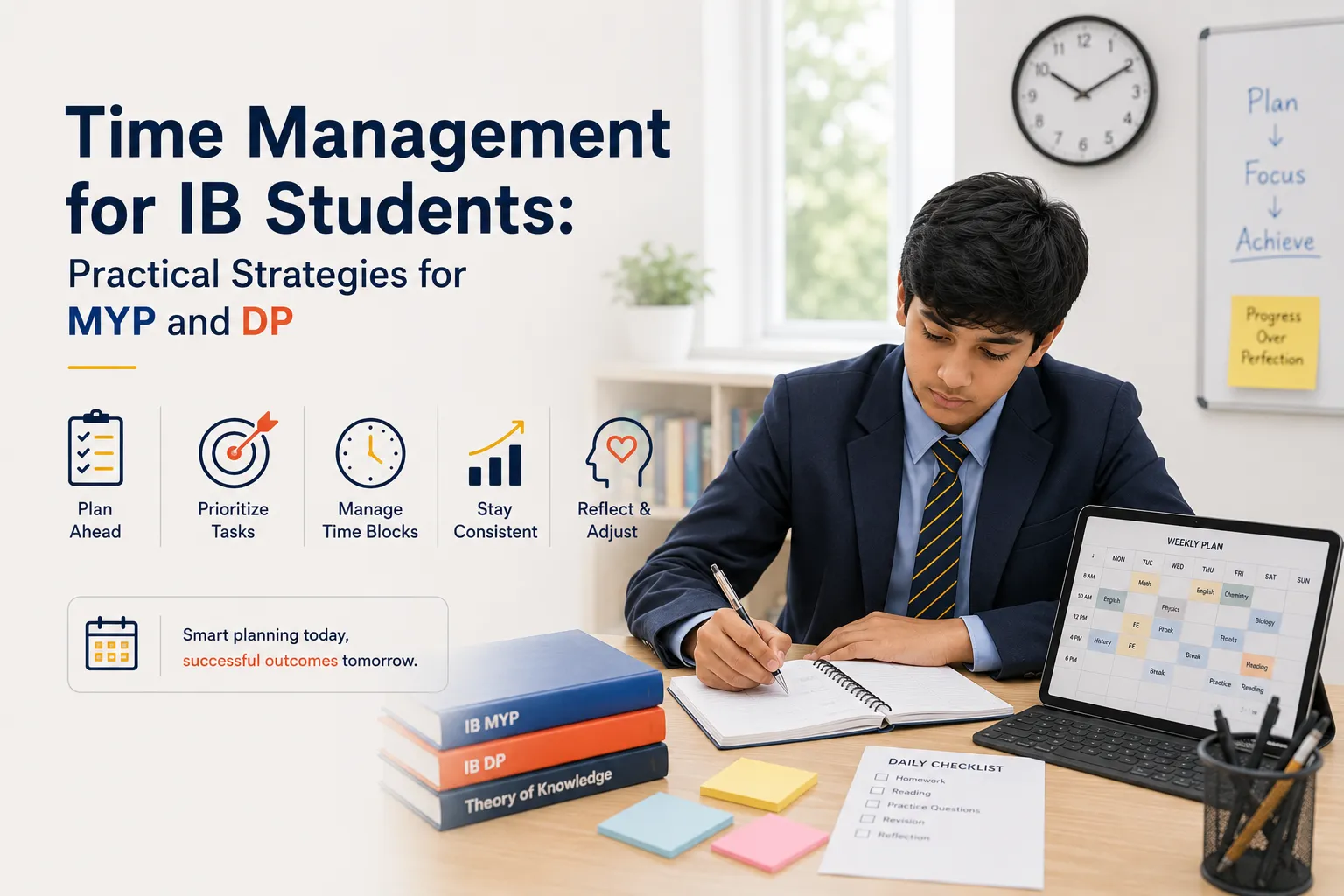
4. Self-Management & Organization
With a curriculum that balances six subjects, community service, and personal projects, IB students must master their own calendars. This transforms them into disciplined self-starters who can manage heavy workloads and deadlines—skills that make the transition to university seamless.
5. Collaboration & Teamwork
Learning in the IB is a social process. Through group projects and shared inquiry, children develop high "Social Intelligence," learning how to lead, listen, and negotiate toward common goals with peers from all cultural backgrounds.
6. Creative Problem-Solving
Innovation happens when students are encouraged to take risks. The IB rewards "outside the box" thinking in everything from science to the arts, ensuring that instead of being intimidated by the unknown, your child approaches complex challenges with imagination.
7. Resilience & Emotional Intelligence
The IB values reflection as a tool for growth. By regularly asking, "What did I learn from this mistake?", students build the grit needed to view setbacks not as failures, but as essential steps on the road to personal and academic success.
8. Global Awareness & Open-Mindedness
As a "borderless" curriculum, the IB explores global challenges like sustainability and social justice. This ensures your child grows into a compassionate, open-minded individual who respects cultural differences and is ready to thrive in an interconnected world.
IB learners are often recognised for being:
- Independent thinkers
- Effective communicators
- Adaptable learners
- Responsible global citizens
Preparing for the Future
The World Economic Forum identifies critical thinking, resilience, and emotional intelligence as the top requirements for the future workforce. By focusing on these eight pillars, the IB ensures that your child isn't just prepared for a specific job, they are prepared for life.
References & Further Reading
- The IB Learner Profile: Developing the Whole Child
- Approaches to Learning: The Skills of a Lifelong Learner