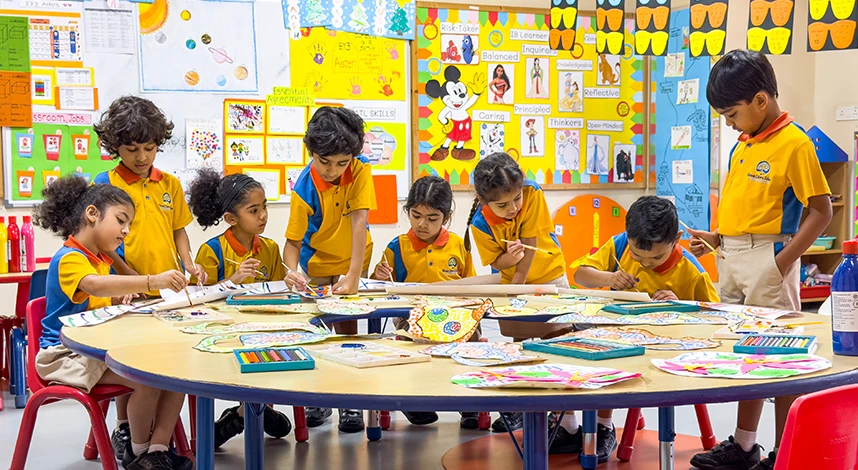
What Is Holistic Education and Why It Matters for your Child's Future

Blog25 June 20266 min read

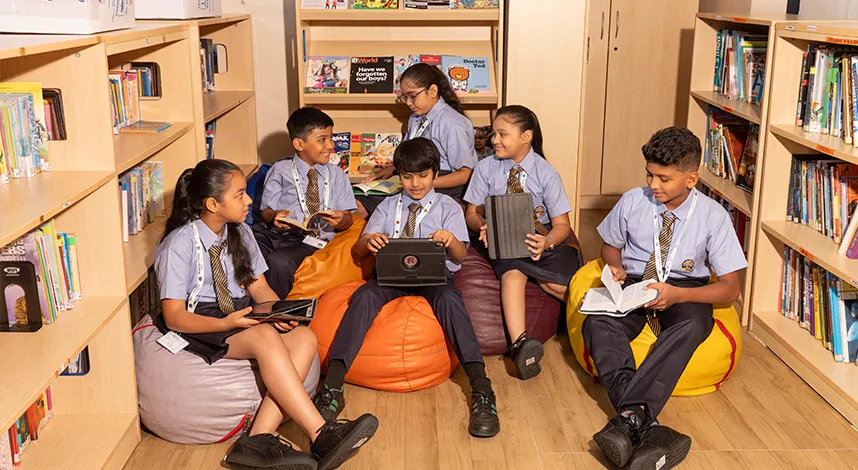
In an era where AI and automation are reshaping the workforce, academic achievement alone is no longer the sole predictor of success. Parents are shifting their focus toward learning experiences that nurture a child emotionally, socially, and creatively, as well as intellectually.


This shift is at the heart of holistic education - a philosophy that views a child not just as a student, but as a future citizen of the world.


What is Holistic Education?

Holistic education is a comprehensive approach that moves away from the "industrial" model of schooling (memorization and testing) and focuses on the whole person.


It addresses six core pillars of development:

  1. Intellectual Growth: Critical thinking over rote learning.
  2. Emotional Well-being: Building self-awareness and resilience.
  3. Social Development: Learning the art of collaboration and empathy.
  4. Physical Health: Understanding the connection between a healthy body and a sharp mind.
  5. Creative Expression: Encouraging unique solutions and artistic exploration.
  6. Ethical Understanding: Developing a sense of responsibility toward the community and the planet.


Key Benefits of a Holistic Approach


Why are modern educators so focused on this method? Because it prepares children for life, not just for exams.

  • Confidence and "Agency" : When children are encouraged to make choices in their learning, they develop agency—the feeling that they have the power to affect change.

  • Emotional Intelligence (EQ) : Success in the modern workplace depends heavily on how well we work with others. Holistic education prioritizes empathy and communication.
  • Critical Thinking & Creativity: Instead of asking "What is the answer?", students ask "Why does this matter?" or "How else can we do this?"

  • Real-World Relevance : Holistic learning breaks down the walls between the classroom and the outside world.

  • A Lifelong Love for Learning: By nurturing curiosity rather than fear of failure, children stay motivated.


Here is how IB schools support holistic development:


The IB Learner Profile: Beyond grades, the IB tracks growth across ten attributes like being Risk-takers, Balanced, and Reflective. These serve as benchmarks for personal character development.


International-Mindedness: Students develop a "global heart" by framing lessons within real-world issues like sustainability and human rights. Multilingualism is encouraged to bridge cultural gaps and diverse ways of thinking.


Service as Action: Service is built into the curriculum, not treated as an extra. Students apply classroom knowledge to local needs, building a sense of empathy and civic responsibility.


ATL Skills (Learning How to Learn): Students master "Approaches to Learning," focusing on Research, Self-Management, and Communication. These are the "hidden" skills essential for university and career success.


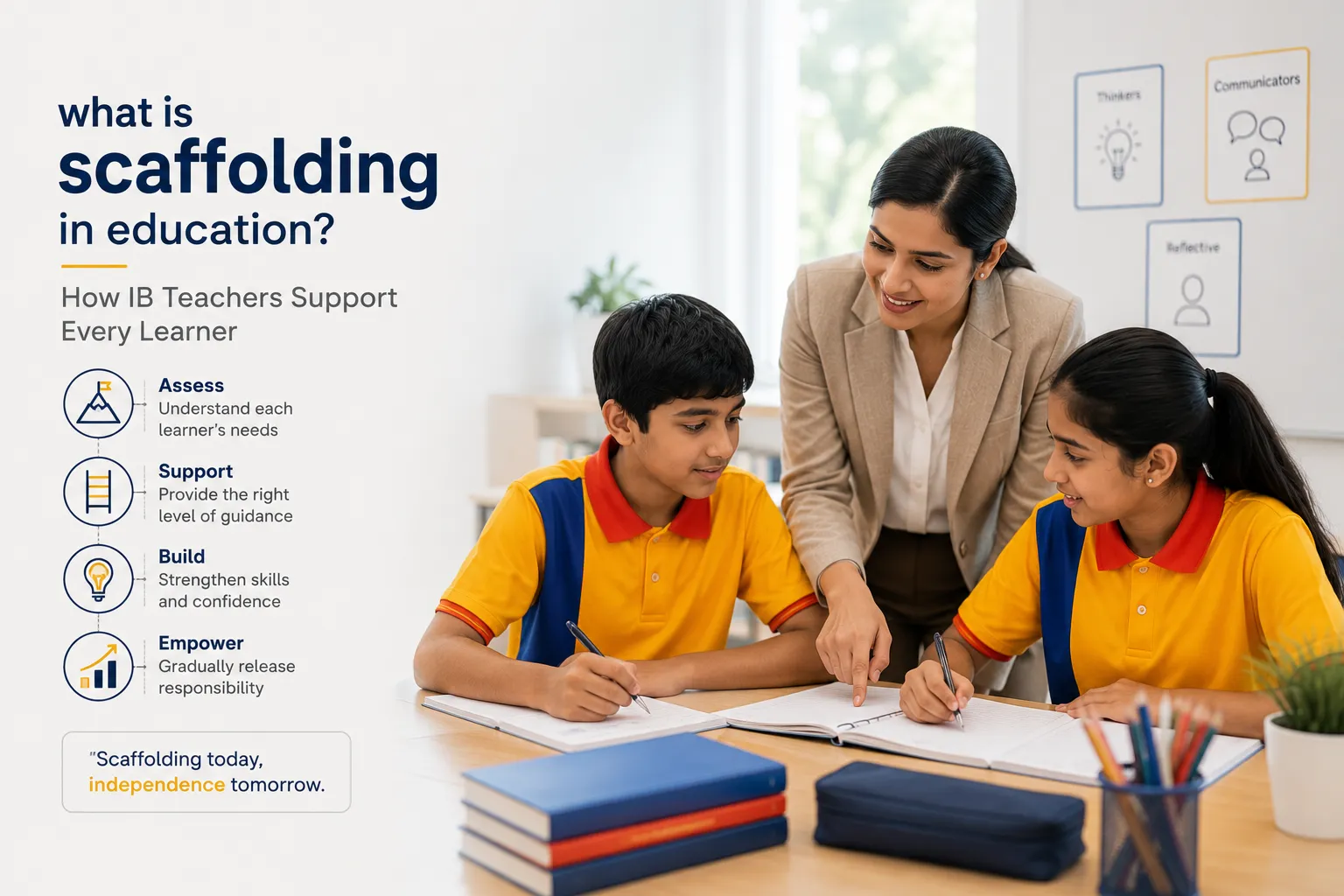
Inquiry & Agency: Teachers act as facilitators, allowing students to lead through investigation. By prioritizing Student Voice and Choice, the IB fosters a deep sense of ownership and curiosity from a young age.


References & Further Reading

Let Your Child's Journey Begin at MLSI

Join one of the top IB schools in Mumbai. Experience world-class education that shapes global citizens.

Contact Us