How to Improve English for Children in the IB Environment

How to Improve English for Children in the IB Environment
Blog1 July 20266 min read

Strong communication skills are essential for success in school and beyond. English is not only a subject; it is a tool that enables children to express ideas, collaborate with others, think critically, and engage with the world around them. In an International Baccalaureate (IB) environment, language development is integrated across all areas of learning, helping students become confident communicators and lifelong learners.


Many parents often ask, “How can I help my child improve their English?” The good news is that language development happens most effectively through meaningful experiences, regular practice, and a rich literacy environment rather than through worksheets alone.


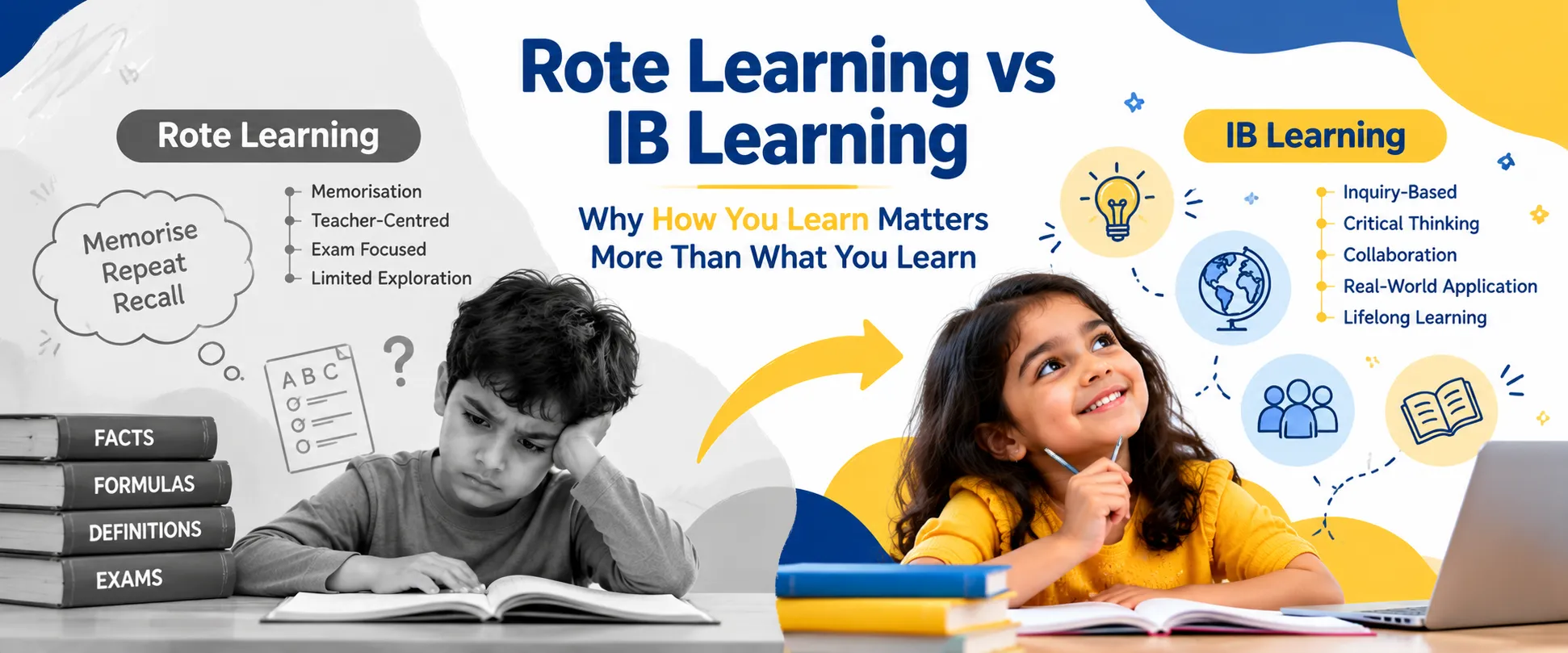
Whether your child is an early learner or progressing through primary school, consistent exposure to reading, speaking, listening, and writing helps build fluency, confidence, and lifelong communication skills. The IB approach encourages children to use language as a tool for inquiry, collaboration, and real-world learning rather than simply memorising grammar rules.


Foster a Love for Reading

One of the most effective ways to improve English is through regular reading. Encourage your child to read a variety of materials, including storybooks, novels, newspapers, magazines, and age-appropriate articles.


Reading helps children:

  • Expand their vocabulary
  • Improve comprehension skills
  • Develop sentence structure and grammar awareness
  • Strengthen imagination and creativity


In the IB environment, students are encouraged to read not only for information but also for enjoyment, inquiry, and reflection.


Tip: Reading together for just 15–20 minutes each day can significantly strengthen language development and reading confidence.


Create Opportunities for Meaningful Conversations

Language develops through communication. Engage your child in daily conversations about their experiences, interests, and learning.


Ask open-ended questions such as:

  • What was the most interesting thing you learned today?
  • Why do you think that happened?
  • How would you solve that problem?
  • What would you do differently?


These conversations encourage children to think deeply, organize their thoughts, and express themselves clearly and confidently.


Encourage children to explain their ideas using complete sentences and descriptive language to strengthen speaking skills and vocabulary.


Encourage Writing for Real Purposes

Writing should feel meaningful rather than merely being an academic task. Encourage your child to:

  • Maintain a journal
  • Write stories or poems
  • Create comic strips
  • Draft emails to family members
  • Write reviews of books or movies
  • Reflect on their learning experiences


In IB classrooms, students frequently write to communicate ideas, reflect on their learning, and share their perspectives with authentic audiences.


Writing regularly also improves grammar, sentence construction, spelling, creativity, and critical thinking.


Build Vocabulary Naturally

Rather than memorizing long word lists, help children learn new words through context. When reading or conversing, discuss unfamiliar words and encourage their use in everyday communication.


Simple strategies include:

  • Introducing a "Word of the Week"
  • Playing word games
  • Encouraging descriptive language
  • Discussing synonyms and antonyms


Vocabulary grows best when children encounter and use words in meaningful situations.


Encourage children to use newly learned words in conversations, storytelling, and writing activities to improve long-term retention.


Connect Language to Inquiry

Children learn language more effectively when it is connected to their interests. If your child is interested in sports, space, animals, technology, or art, encourage them to read, watch, and discuss content related to these topics.


The IB approach recognizes that language development is most meaningful when learners are engaged in authentic inquiry and exploration.


Inquiry-based learning naturally develops research, questioning, communication, and critical thinking skills alongside language development.


Limit Passive Screen Time

While technology can support learning, excessive passive screen time may limit opportunities for active communication and reading. Encourage activities that require interaction, discussion, creativity, and critical thinking.


Educational podcasts, audiobooks, storytelling apps, and research projects can be more beneficial than passive consumption of content.


Choosing high-quality educational content and discussing it together helps children develop listening comprehension and communication skills.


Model Good Language Habits

Children learn by observing the adults around them. When parents read regularly, engage in thoughtful conversations, and demonstrate curiosity about language, children are more likely to develop similar habits.


Creating a literacy-rich home environment sends a powerful message that reading, communication, and learning are valued.


Simple habits such as reading newspapers, discussing current events, and sharing family stories can inspire children to become confident communicators.


Confidence Matters as Much as Competence

Perhaps the most important factor in language development is confidence. Children need to feel comfortable expressing themselves without fear of making mistakes. Celebrate effort, encourage participation, and focus on growth rather than perfection.


In an IB environment, mistakes are viewed as opportunities for learning, and students are encouraged to take risks as communicators. As confidence grows, language skills naturally follow.


Positive encouragement, active listening, and regular opportunities to speak help children become confident English communicators over time.


Conclusion

Improving your child's English is not about memorising grammar rules or completing endless worksheets. It is about creating meaningful opportunities to read, write, speak, listen, and explore the world through language. By encouraging curiosity, conversation, inquiry, and consistent practice, parents can help children develop strong communication skills that support success in IB school and beyond. In an IB environment, language is viewed as the foundation for learning, helping students become confident, compassionate, and globally minded learners.


Frequently Asked Questions


How can parents improve their child's English at home?

Reading together, having meaningful conversations, encouraging writing, introducing new vocabulary naturally, and creating a literacy-rich environment are some of the most effective strategies.


Why is English important in an IB school?

English supports inquiry, collaboration, critical thinking, research, and communication across all IB subjects, making it an essential skill for academic success.


How much should children read every day?

Reading for 15–20 minutes daily helps improve vocabulary, comprehension, fluency, and confidence.


Does speaking English at home improve fluency?

Yes. Regular conversations in English help children build vocabulary, pronunciation, confidence, and communication skills.


How does inquiry-based learning improve English?

Inquiry encourages children to ask questions, research information, discuss ideas, and communicate their understanding, naturally strengthening language skills.


Let Your Child's Journey Begin at MLSI

Join one of the top IB schools in Mumbai. Experience world-class education that shapes global citizens.

Contact Us