In a world that demands critical thinking, adaptability, and global awareness, parents are increasingly looking for an education that goes beyond traditional learning. The International Baccalaureate (IB) offers exactly that—a globally respected curriculum designed to develop well-rounded, future-ready learners.
What Is the IB?
The IB is an international education foundation that provides a continuum of programmes for students aged 3 to 19. It focuses on developing not only academic excellence but also character, values, and a global perspective.
Unlike traditional systems that emphasize rote learning, the IB encourages:
- Inquiry-based learning
- Conceptual understanding
- Real-world application
- International-mindedness
The Structure of the IB Programmes
The IB curriculum is divided into four key programmes, each designed for a specific age group:
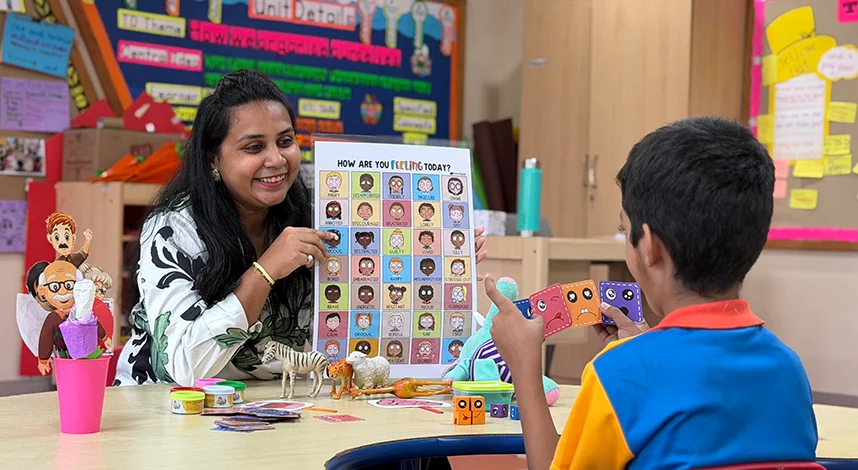
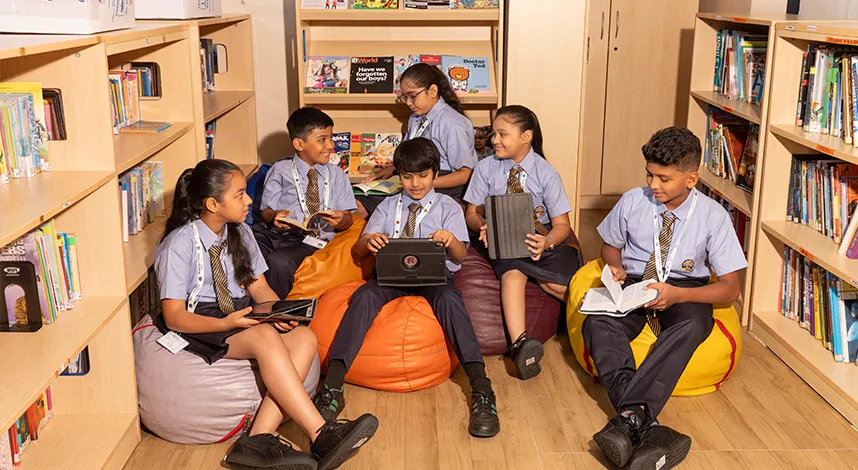
1. Primary Years Programme (PYP) | Ages 3–12
The PYP focuses on nurturing curiosity and a love for learning in young children.
Key Features:
- Inquiry-based and transdisciplinary learning
- Development of foundational skills and concepts
- Strong emphasis on the IB Learner Profile
What it means for your child:
Your child becomes an active learner who asks questions, explores ideas, and develops confidence early on.
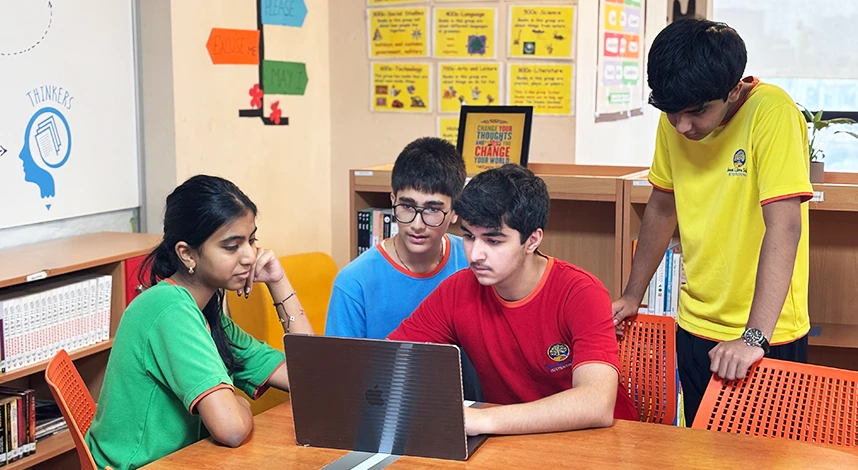
2. Middle Years Programme (MYP) | Ages 11–16
The MYP bridges early learning with more advanced academic concepts.
Key Features:
- Interdisciplinary learning across subjects
- Focus on real-world connections
- Development of critical thinking and communication skills
What it means for your child:
Students learn how to apply knowledge, think independently, and connect classroom learning to real-life situations.
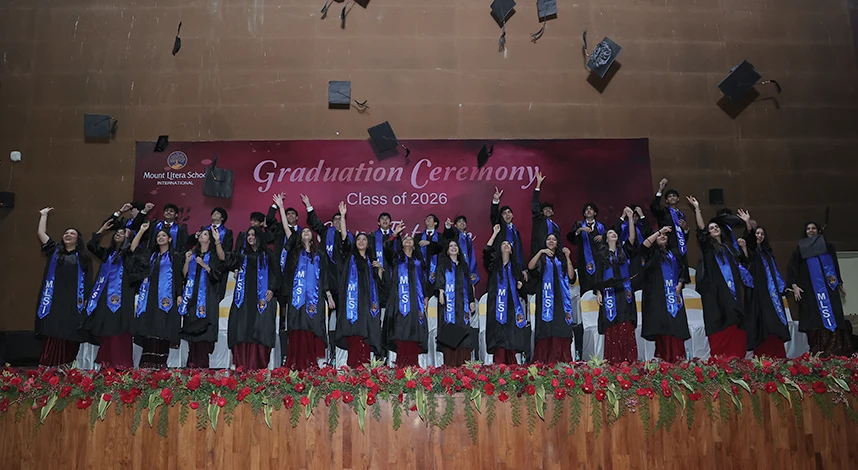
3. Diploma Programme (DP) | Ages 16–19
The DP is a rigorous pre-university programme recognized worldwide.
Key Features:
- Study of six subject groups
- Core components: Theory of Knowledge (TOK), Extended Essay (EE), and Creativity, Activity, Service (CAS)
- Strong academic depth and breadth
What it means for your child:
Your child develops research, time management, and analytical skills that prepare them for top universities globally.
4. Career-related Programme (CP) | Ages 16–19
The CP combines academic study with career-focused learning.
Key Features:
- Integration of IB Diploma courses with career pathways
- Emphasis on practical skills and real-world readiness
- Personal and professional skill development
What it means for your child:
Students gain both academic knowledge and career clarity, preparing them for higher education or direct entry into the professional world.
Key Benefits of the IB Curriculum
1. Holistic Development
The IB focuses on intellectual, emotional, and social growth, ensuring students develop into well-rounded individuals.
2. Strong Academic Foundation
Students gain deep conceptual understanding rather than surface-level memorization.
3. Global Recognition
The IB Diploma is widely accepted by leading universities around the world.
4. Development of Critical Skills
IB learners are known for their:
- Critical thinking
- Research ability
- Communication skills
- Time management
5. International Mindedness
Students learn to appreciate diverse cultures and perspectives, preparing them to thrive in a global environment.
Is the IB Curriculum Right for Your Child?
The IB is ideal for students who:
- Are curious and enjoy exploring ideas
- Benefit from conceptual and inquiry-based learning
- Aspire to study abroad or in globally recognized institutions
- Thrive in a balanced, holistic environment
In Partnership with Parents
Choosing the right curriculum is one of the most important decisions for your child’s future. The IB provides a strong foundation not only for academic success but for life beyond school.
When schools and parents work together, students truly thrive—growing into confident, compassionate, and capable individuals.
References & Further Reading
- International Baccalaureate – What is an IB Education?
https://www.ibo.org/programmes - International Baccalaureate – IB Programme Models
- International Baccalaureate – Benefits of IB
https://www.ibo.org/benefits/