FAQs
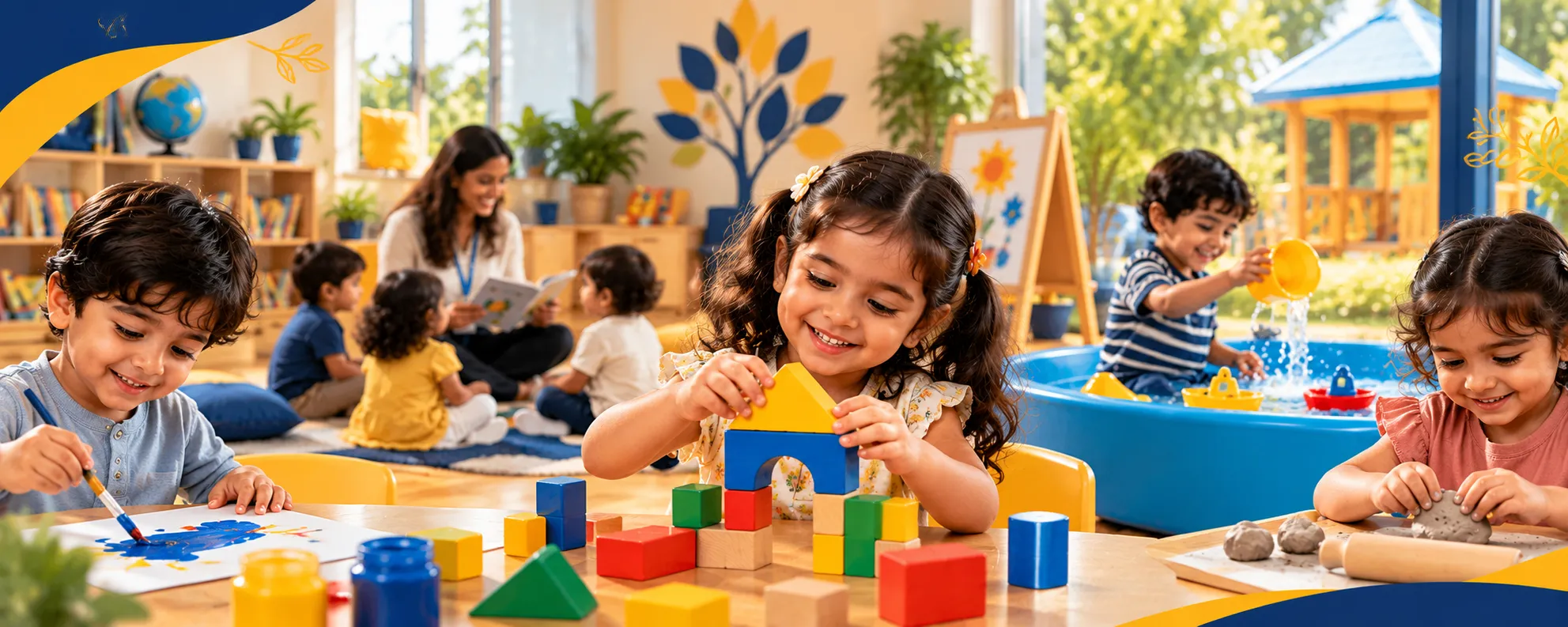
Children in a playgroup develop early communication, social, emotional, physical and thinking skills through activities such as stories, music, art, building blocks, sensory play and outdoor exploration. They also begin practising independence, taking turns, following simple routines and expressing their needs. Learning happens through age-appropriate play rather than formal worksheets.
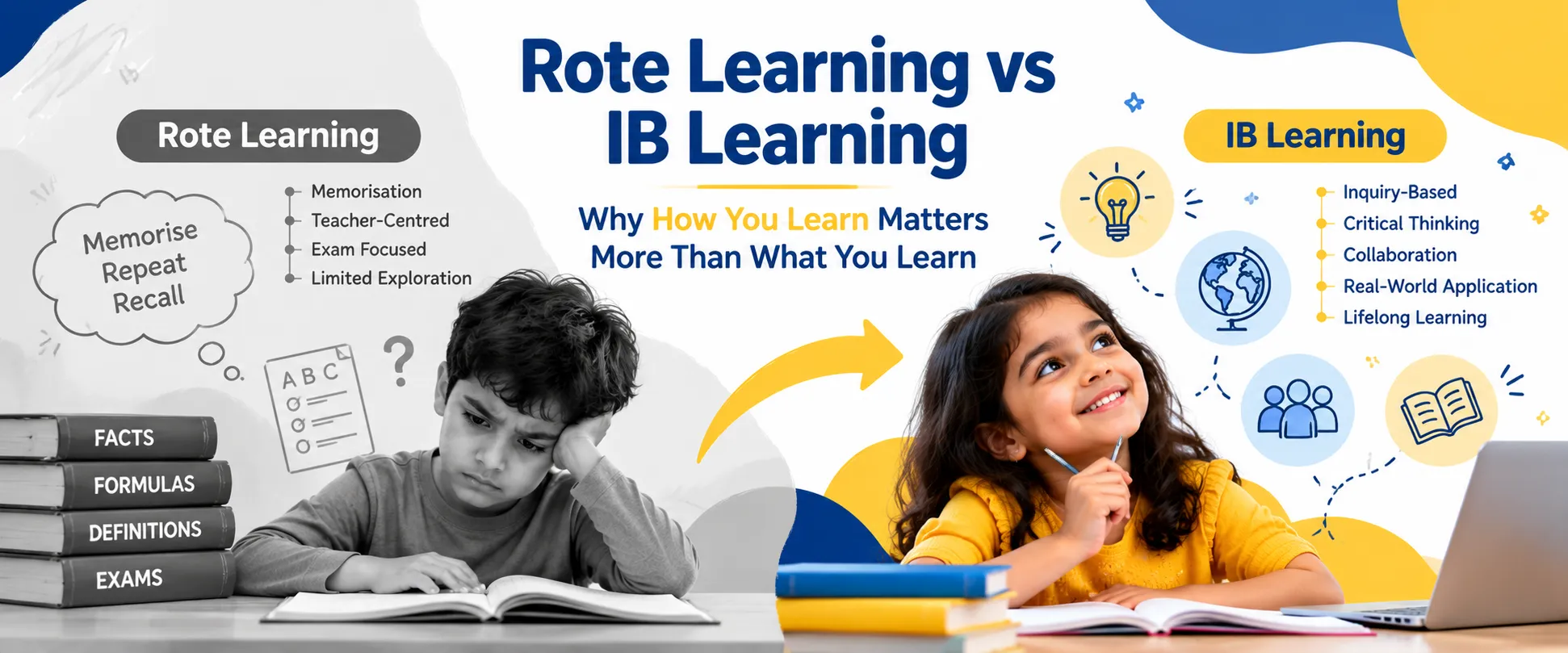
The difference depends on the individual schools and their teaching approaches. An IB PYP-aligned setting places particular emphasis on inquiry, conceptual understanding and active learning within the programme's framework. Other playgroups may also use play-based methods, but their curriculum, planning and learning goals can differ. Parents should compare actual classroom practices rather than relying on labels alone.
Circle time gives toddlers opportunities to listen to stories, sing songs, respond to simple questions, recognise emotions and interact with peers. Repeated greetings and familiar routines can help children feel secure and practise early communication. Sessions should be brief and flexible enough to suit toddlers' attention spans and developmental needs.
Parents can support play-based learning by reading together, singing songs, offering blocks and age-appropriate art materials, involving children in simple daily tasks and allowing time for safe exploration. Asking open-ended questions such as “What do you think will happen?” encourages curiosity without turning play into a test. Everyday conversations, outdoor discovery and responsive interaction are valuable learning opportunities.
Share this article
Related Blogs
What Do Children Learn in Nursery: An IB Early Years Guide
What do children learn in nursery? Discover what is taught in nursery through play, inquiry, literacy and numeracy. Explore the IB Early Years approach.
What Is the IB Early Years Programme? A Parent's PYP Guide
Discover what the IB Early Years Programme is, how PYP learning works, and how inquiry, play, agency and ATL skills support young learners.
What Is an IB Playgroup? PYP Early Years Guide for Parents
What is an IB playgroup? Learn how IB-inspired playgroup learning supports inquiry, play, independence, social skills and early childhood development.