FAQs
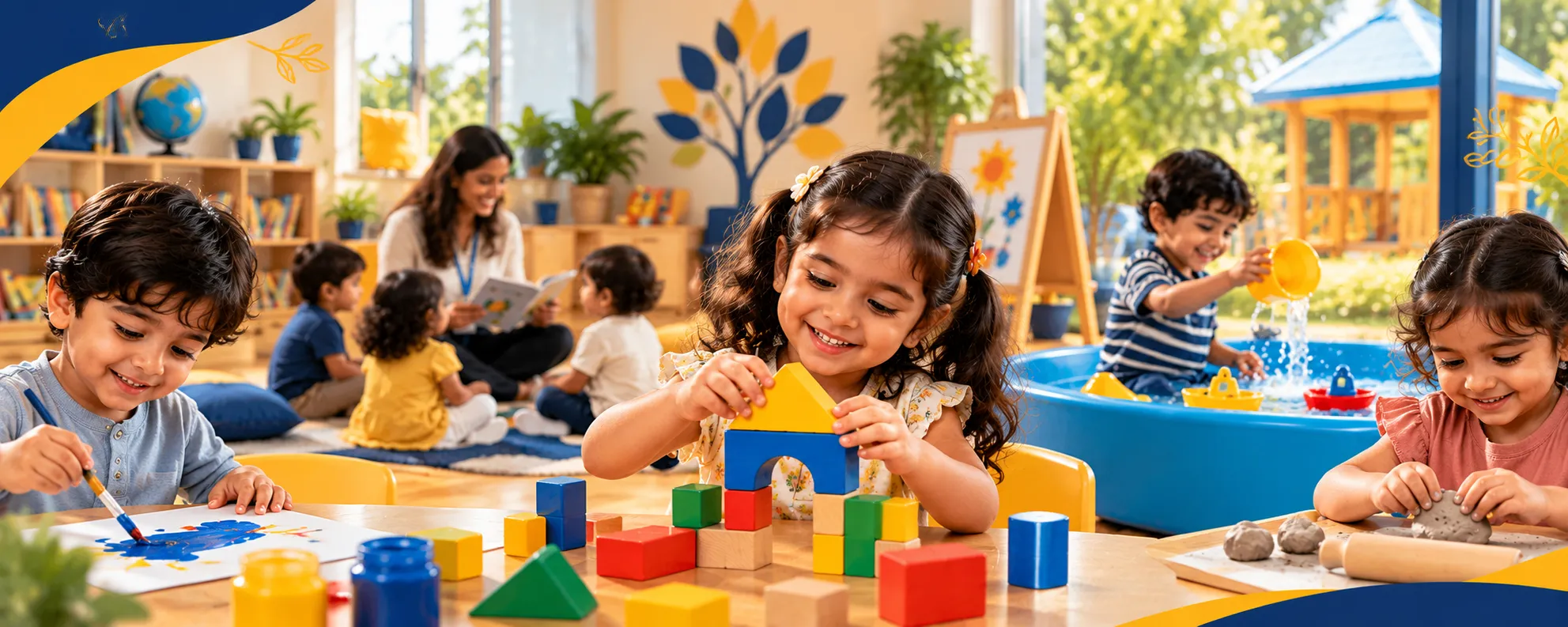
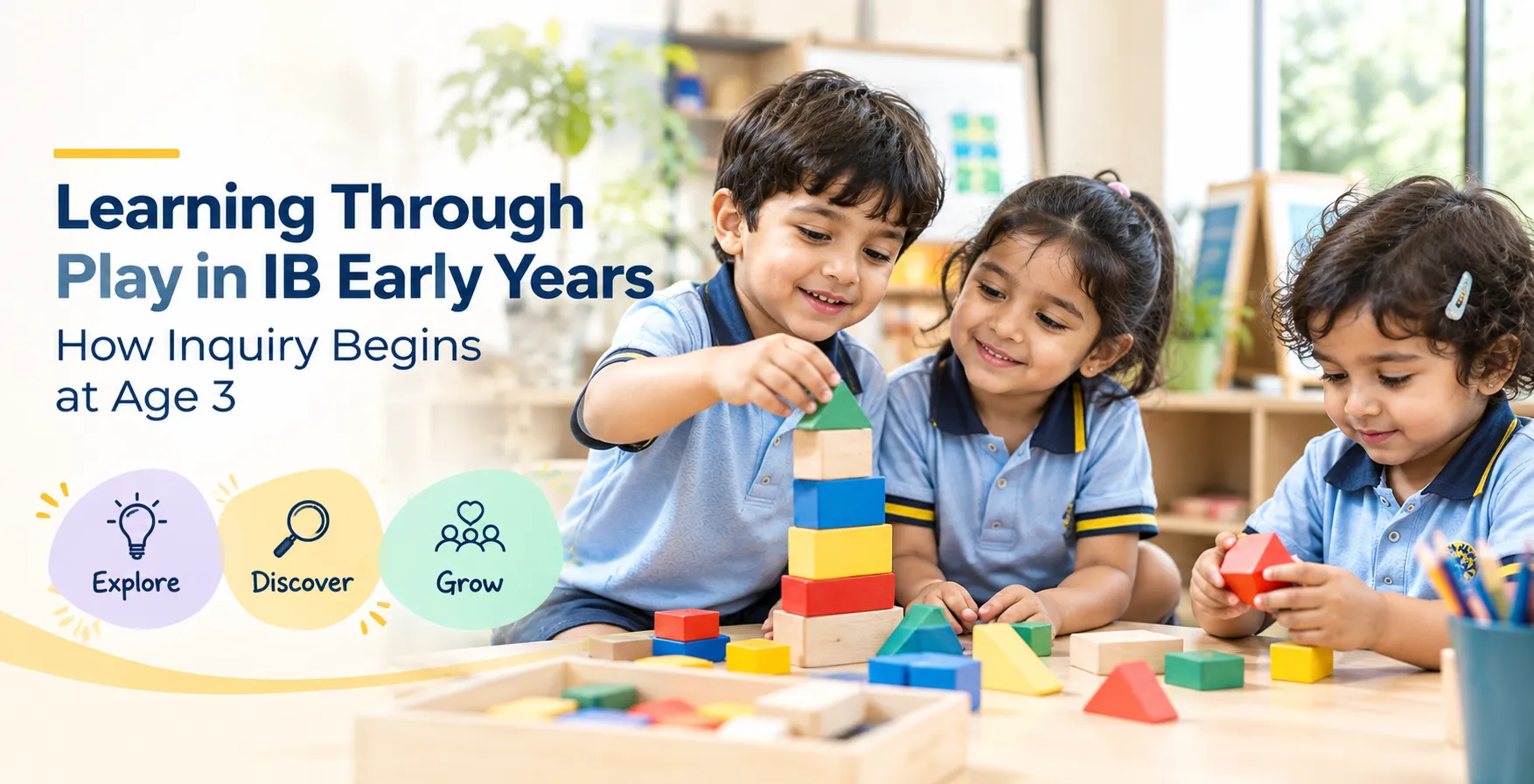
Learning through play is an approach to early childhood education where children develop knowledge and skills through hands-on activities, exploration and interaction. Activities such as building blocks, storytelling, sensory play and pretend games help children develop creativity, communication, problem-solving and early academic concepts.
Play-based learning helps 3-year-old children develop language, early mathematical thinking, social skills, creativity and physical coordination. It also encourages curiosity, independence and problem-solving. Through guided play and everyday experiences, children begin understanding concepts such as shapes, patterns, numbers, relationships and cause and effect.
The IB Early Years Programme uses purposeful play, inquiry and hands-on exploration to help young children develop knowledge and skills. Children learn by investigating materials, exploring ideas, interacting with peers and making connections with the world around them. Educators guide the process through thoughtfully planned activities and meaningful questions.
Yes. Play-based learning provides opportunities to develop foundational maths and literacy skills naturally. Building with blocks introduces shapes, patterns and spatial awareness, while storytelling and dramatic play encourage vocabulary, listening, sequencing and early communication. Children also encounter numbers, symbols and measurement through everyday activities.
The main difference is how children engage with learning. Play-based learning places greater emphasis on exploration, hands-on experiences, inquiry and active participation. Traditional preschool approaches may include more direct instruction and structured activities. However, teaching methods vary across schools, and both approaches can include valuable learning experiences.
Yes. The IB Primary Years Programme is designed for learners aged 3 to 12, including preschool-aged children. Its Early Years approach uses developmentally appropriate inquiry, purposeful play and exploration to support early learning. At MLSI, the Early Years Programme caters to children aged 3 to 6, progressing through EY 1, EY 2 and EY 3.
Parents should look for a preschool that provides a safe, stimulating environment, experienced educators, meaningful play opportunities and age-appropriate learning experiences. It is also important to understand how the school supports inquiry, communication, independence, social development and early academic skills. Visiting the school and observing classroom interactions can help parents make an informed decision.
Share this article
Related Blogs
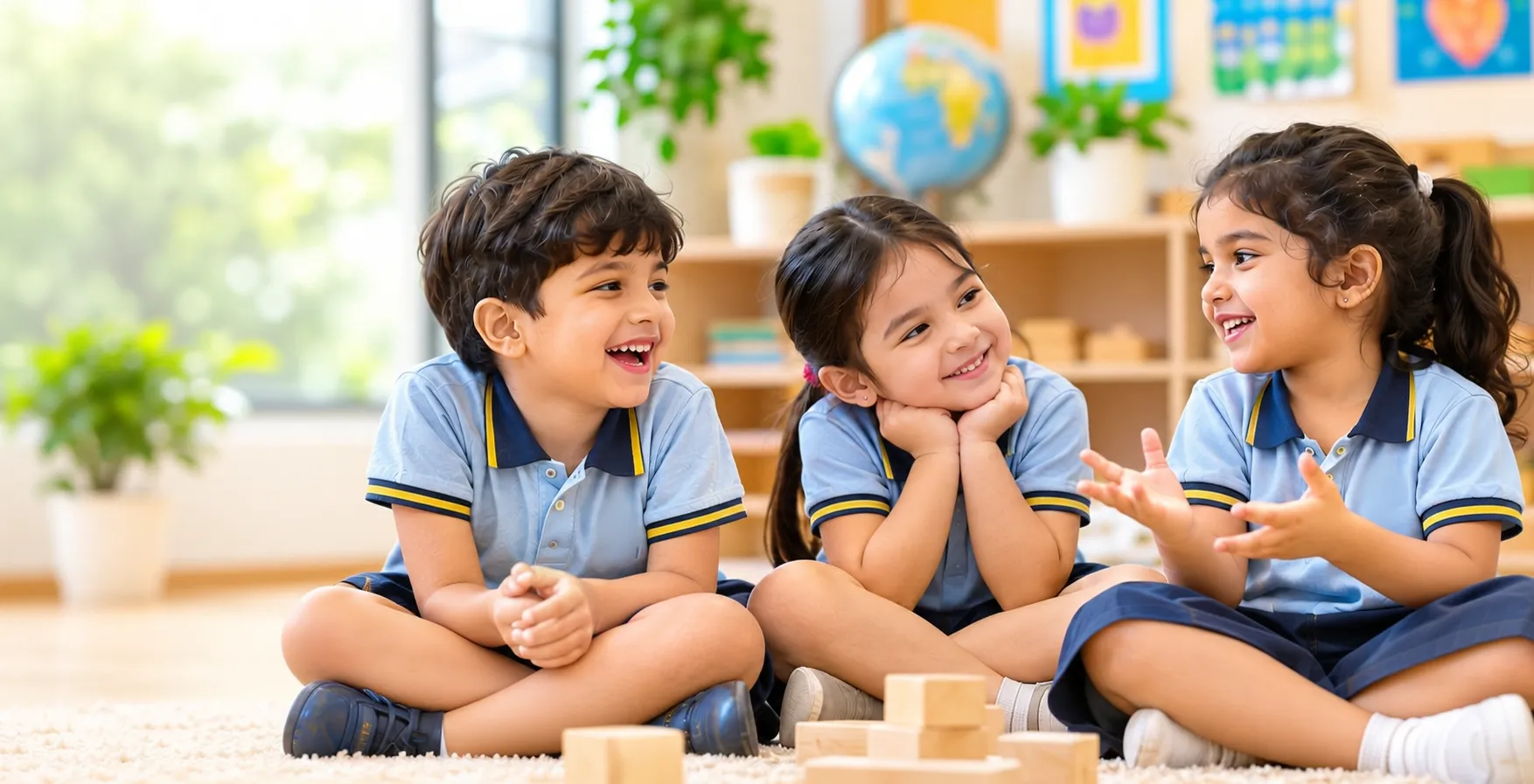
Social Emotional Learning in Early Childhood: Why It Matters
Learn why social emotional learning in early childhood matters and how it builds confidence, empathy and resilience. Discover its importance in the IB Early Years.
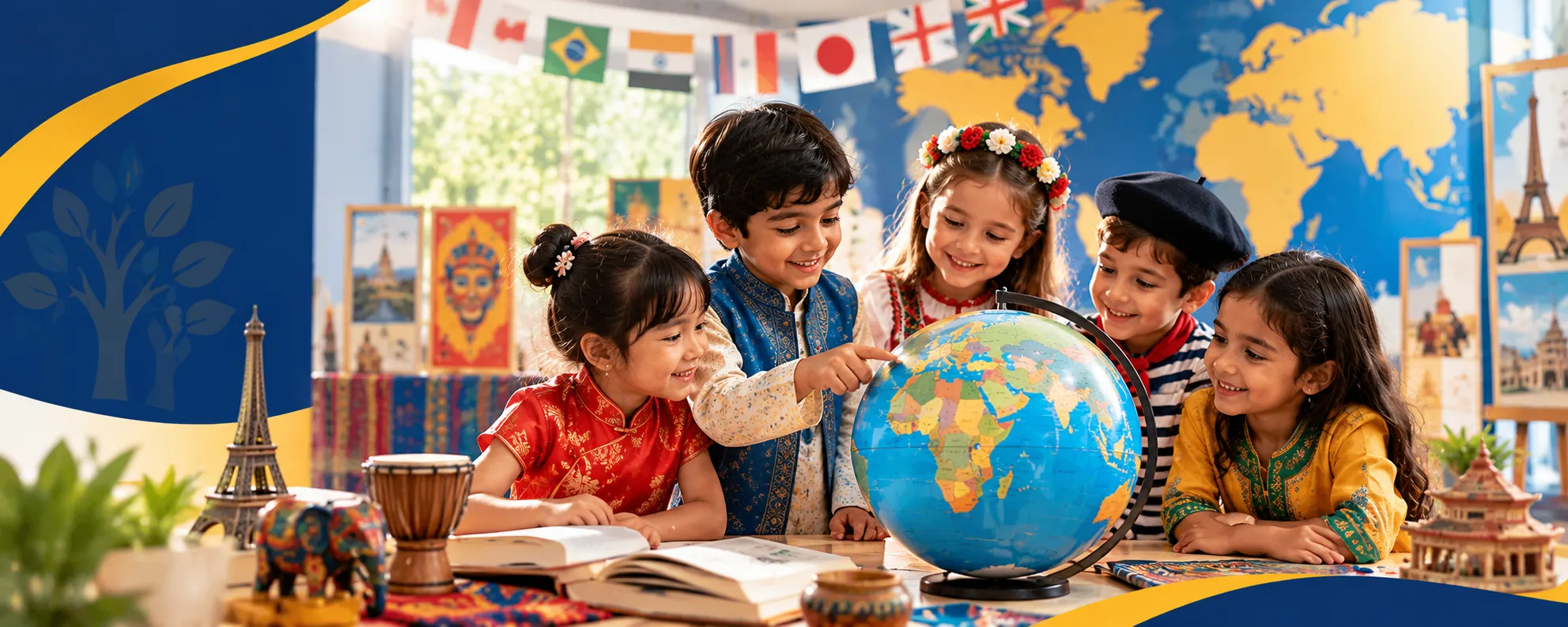
Multicultural Day at MLSI 2026: Learning Beyond Borders
Discover how Multicultural Day at MLSI 2026 helps students explore cultures, appreciate diverse perspectives and develop international-mindedness through IB PYP inquiry.
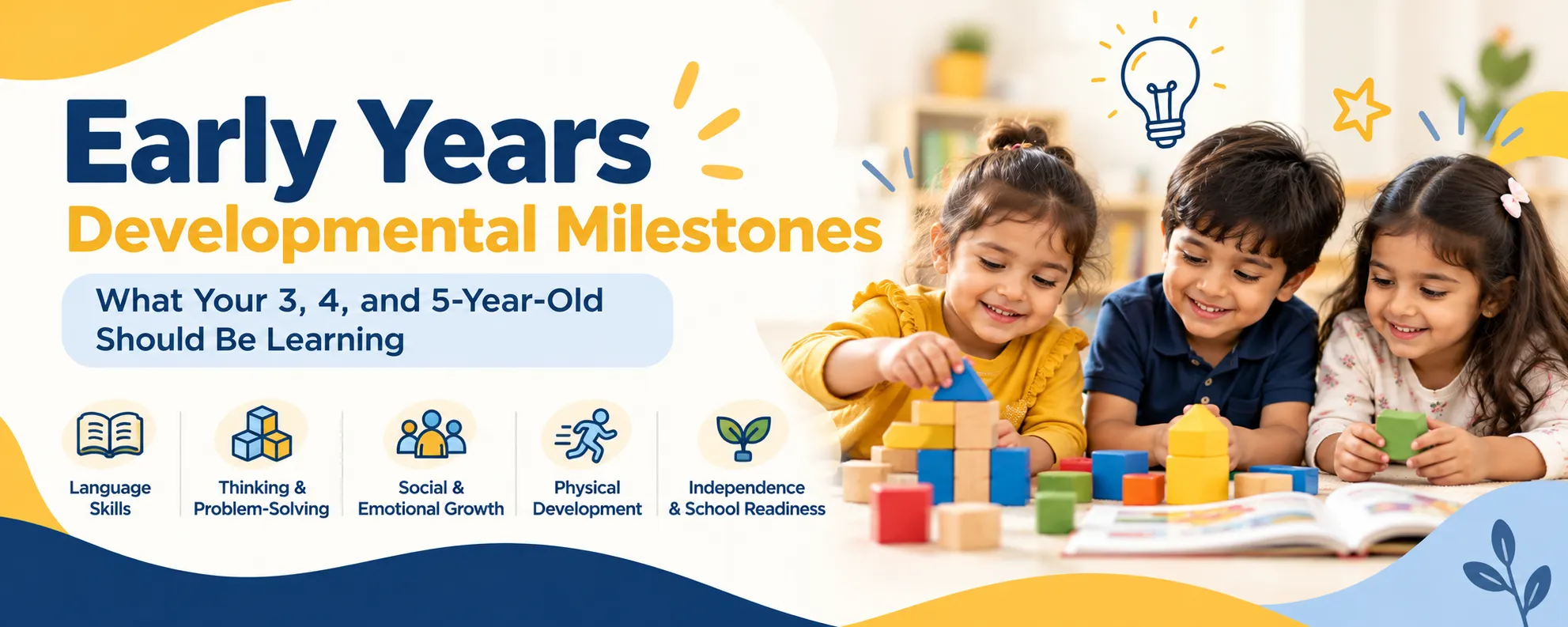
Early Years Developmental Milestones: Ages 3 to 5
Explore early years developmental milestones for ages 3 to 5, including language, cognitive, social and physical skills. See what to expect at each age.