FAQs
Social-emotional learning (SEL) is the process through which young children learn to understand and manage their emotions, build relationships, show empathy and make positive decisions. In early childhood, it develops through everyday experiences such as playing with friends, sharing, expressing feelings, solving problems and interacting with teachers.
Social-emotional development helps children become more confident, independent and comfortable interacting with others. It teaches them how to express their feelings, manage frustration, develop friendships and handle unfamiliar situations. These abilities create a strong foundation for learning, communication and healthy relationships as they grow.
The IB Early Years Programme supports social-emotional development through purposeful play, inquiry-based learning, student agency and the IB Learner Profile. Children get opportunities to make decisions, collaborate with peers, express their ideas and work through everyday challenges. These experiences nurture confidence, empathy, independence and resilience.
Parents can encourage empathy by talking to children about feelings, reading stories about different experiences, modelling kindness and encouraging them to consider how others might feel. Simple everyday situations, such as sharing toys, helping a friend or taking turns, can become valuable opportunities to practise empathy.
Preschool teachers help children understand and manage emotions by acknowledging their feelings, providing reassurance and modelling healthy ways to respond to frustration. Activities such as storytelling, breathing exercises, sensory play and guided conversations can help children gradually develop emotional regulation skills.
Share this article
Related Blogs
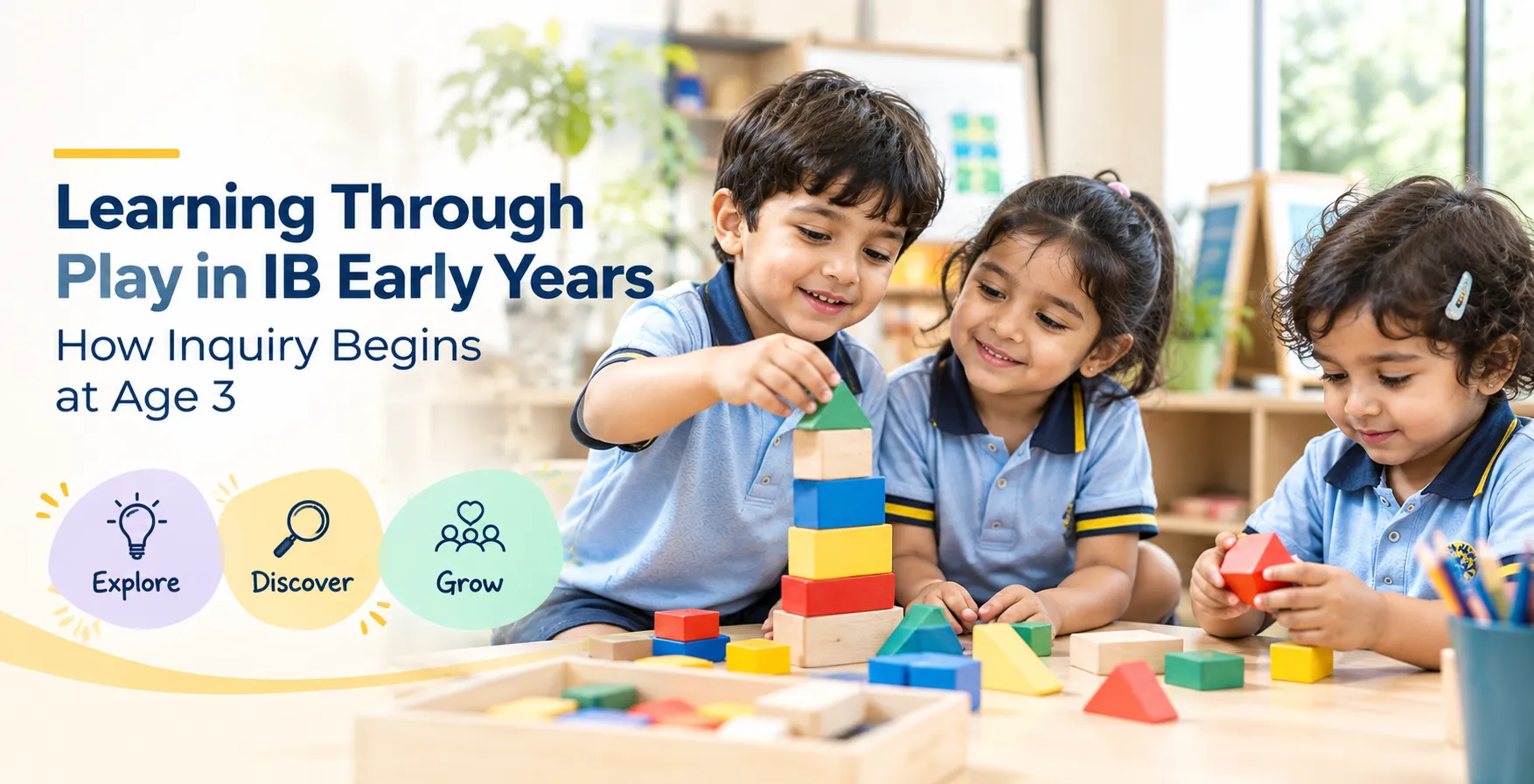
Play Based Learning in Early Childhood: Why It Matters
Explore play based learning in early childhood and how learning through play develops curiosity, confidence and problem-solving skills. Discover the IB approach.
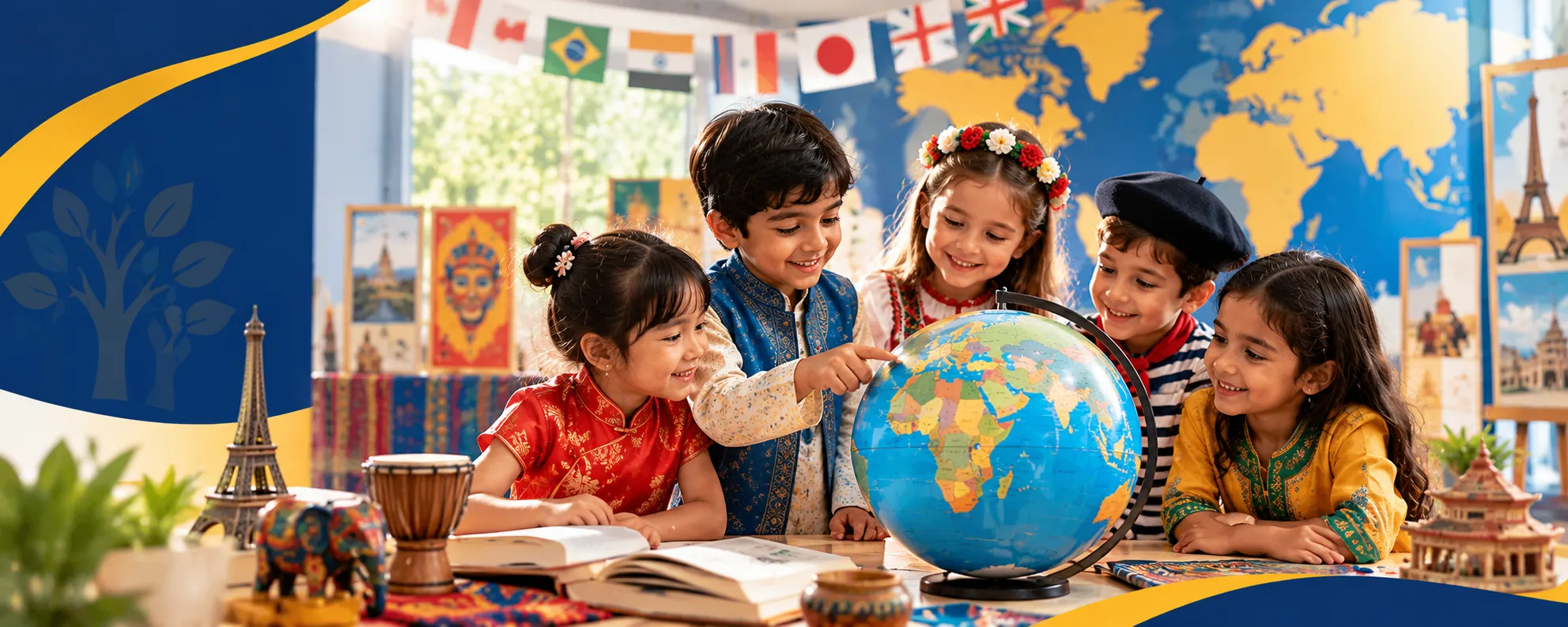
Multicultural Day at MLSI 2026: Learning Beyond Borders
Discover how Multicultural Day at MLSI 2026 helps students explore cultures, appreciate diverse perspectives and develop international-mindedness through IB PYP inquiry.
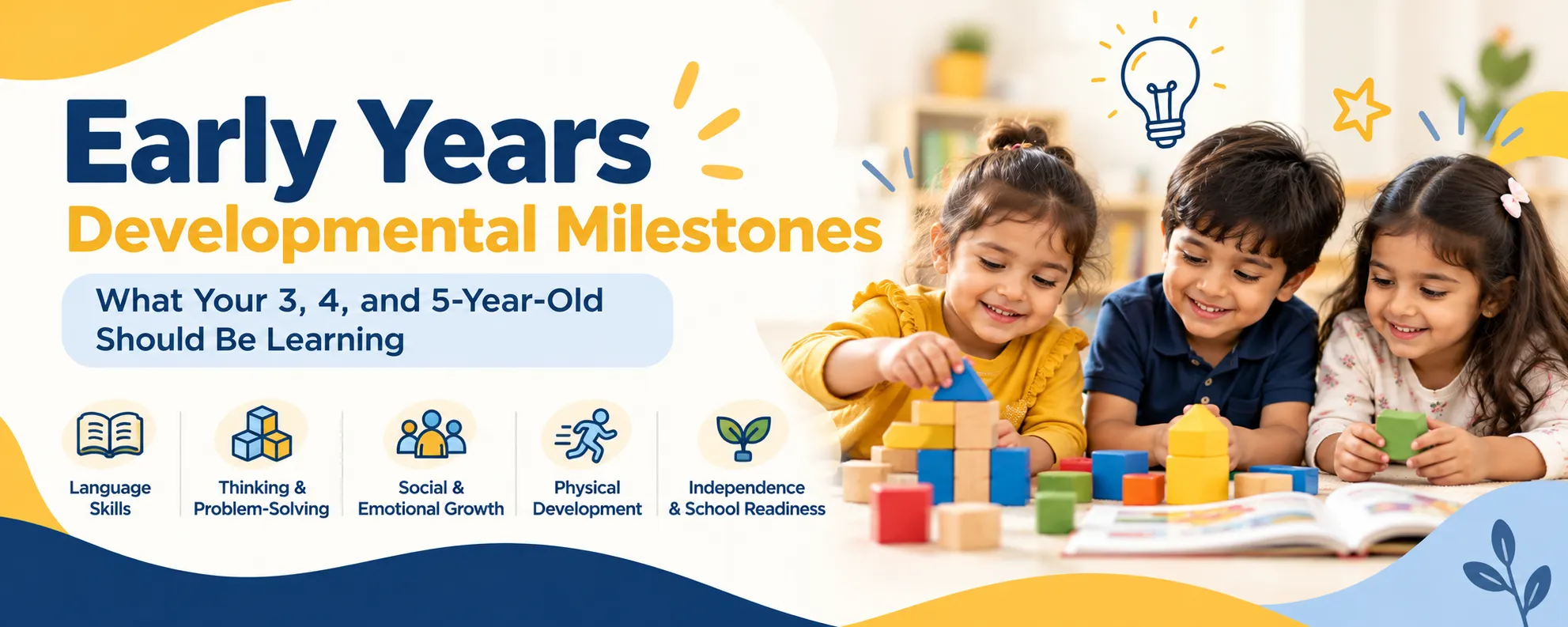
Early Years Developmental Milestones: Ages 3 to 5
Explore early years developmental milestones for ages 3 to 5, including language, cognitive, social and physical skills. See what to expect at each age.