FAQs
Start by making books easily accessible and setting aside a regular time for reading. Let your child choose books based on their interests, read together and talk about stories without turning the activity into a test. Consistent, enjoyable reading experiences can help children gradually develop a lasting habit.
There is no fixed reading duration for every child. A short daily session of around 15–20 minutes can be a useful starting point, depending on the child's age, attention span and reading ability. Younger children may benefit from shorter shared-reading sessions, while older children may enjoy reading independently for longer.
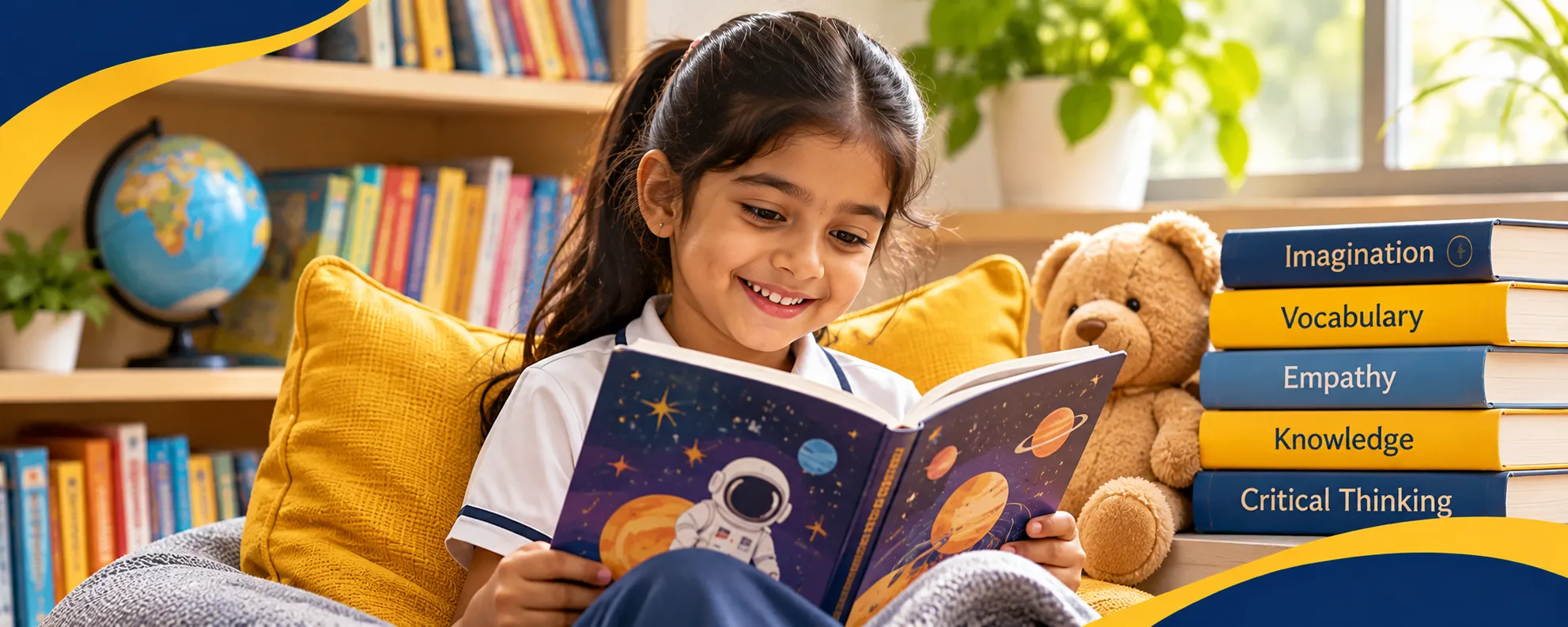
Reading exposes children to new words, ideas, stories and experiences. It can support vocabulary development, language skills, imagination, comprehension and independent thinking. Stories can also help children explore emotions, relationships and different perspectives.
Begin with subjects and formats your child already enjoys. Comics, picture books, animal stories, sports books, joke books and illustrated non-fiction can all be good starting points. Allow children to choose their reading material, read together and avoid making reading feel like a punishment or compulsory test.
Parents can begin sharing picture books and simple stories with children from infancy. At this stage, looking at pictures, listening to a parent's voice and enjoying familiar stories are valuable experiences. As children grow, shared reading can gradually develop into recognising words and reading independently.
Yes. Reading before bedtime can become a calming part of a child's evening routine. A familiar story gives parents and children time to connect and provides a screen-free activity before sleep. Choose age-appropriate books and keep the routine relaxed and enjoyable.
Regular reading gives children opportunities to build vocabulary, understand written information and become more familiar with language. These skills can support learning across subjects because children encounter instructions, explanations, questions and new ideas through reading. Reading habits complement classroom learning but develop at different rates for different children.
Schools can encourage reading through classroom libraries, storytelling sessions, book discussions, reading corners and opportunities for students to explore books based on their interests. When teachers model reading and make books part of everyday learning, children can begin to see reading as an enjoyable activity rather than only an academic task.
Share this article
Related Blogs
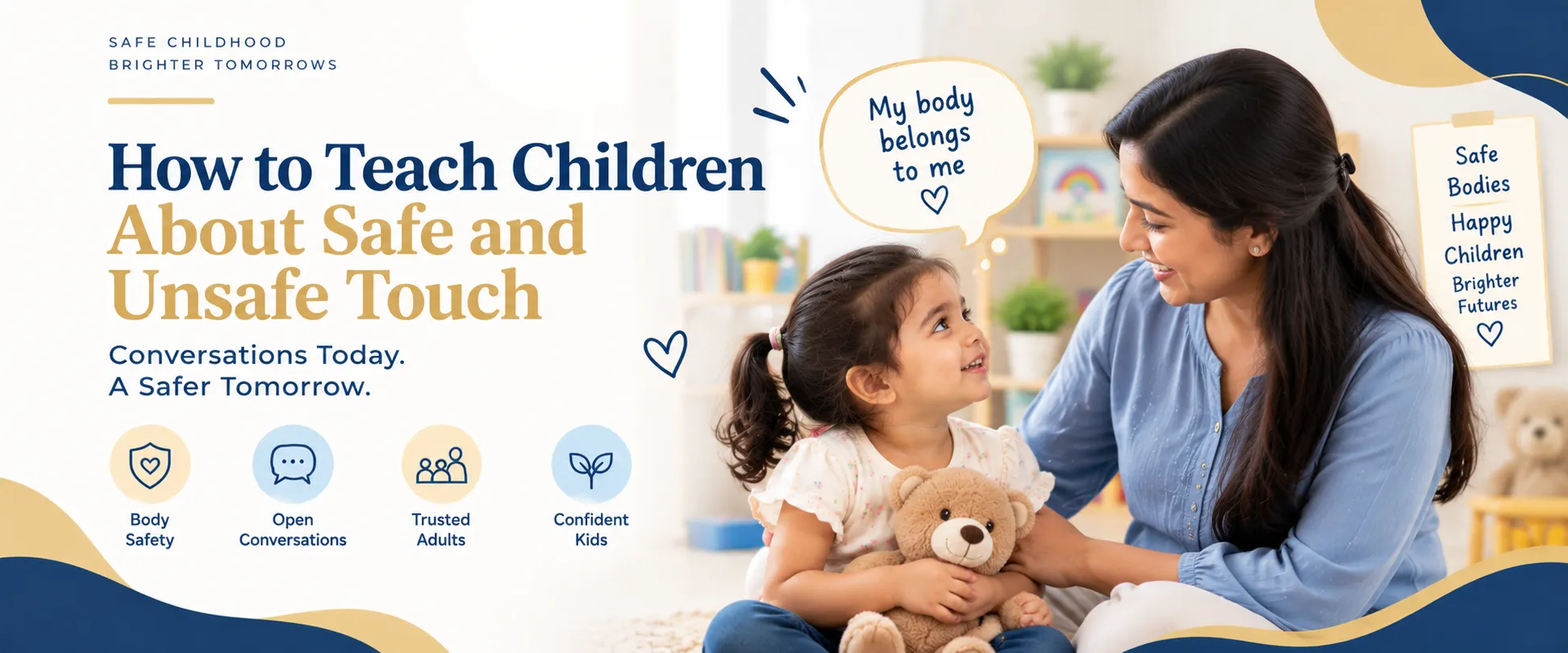
Safe and Unsafe Touch: How to Teach Kids Body Safety
Learn how to teach children about safe and unsafe touch, body boundaries, private parts, trusted adults and what to do if a touch feels wrong.
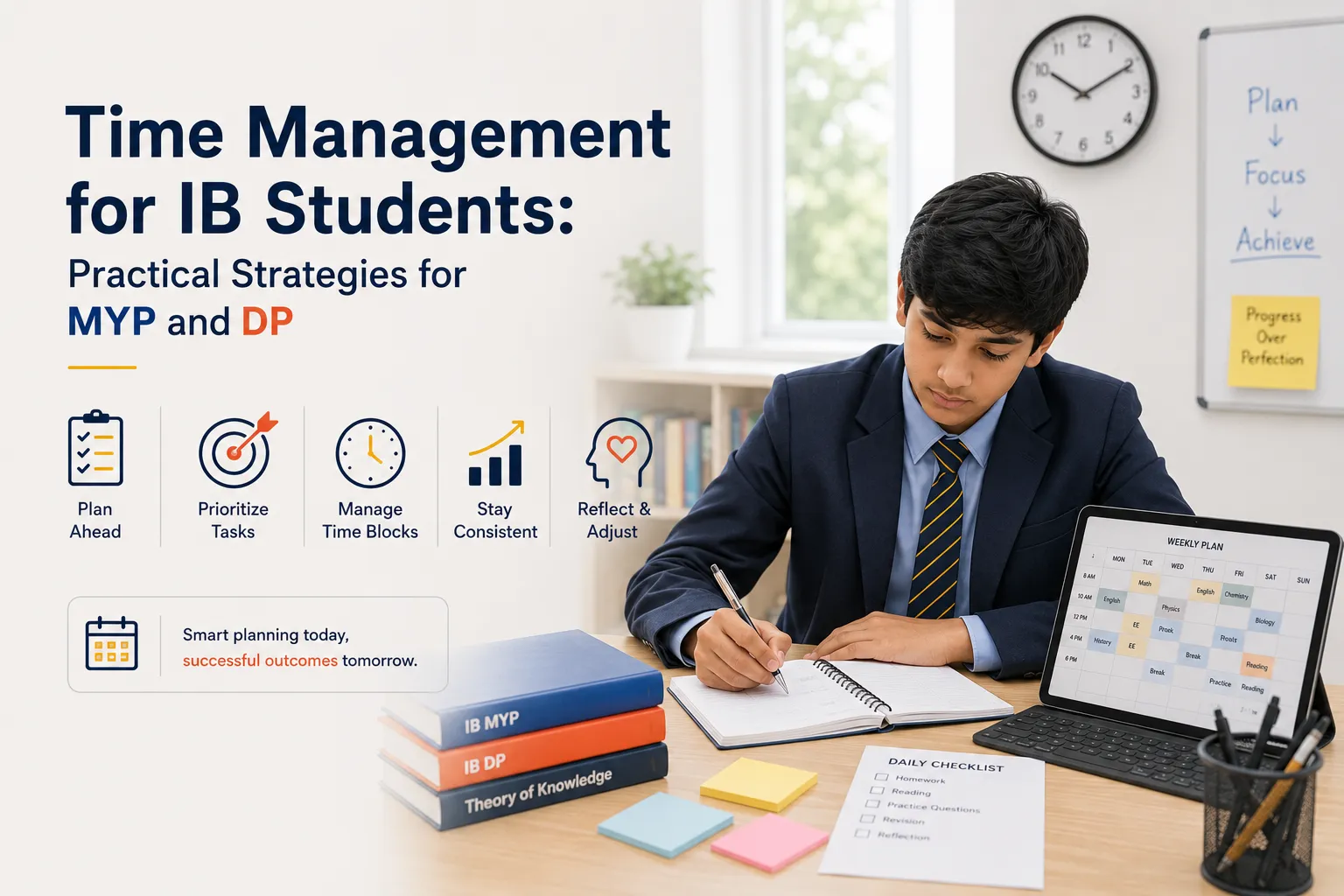
Time Management for Students in MYP and DP
Discover effective time management strategies for students. Learn how to manage study time for students balancing intense MYP and DP academic workloads. Read now!
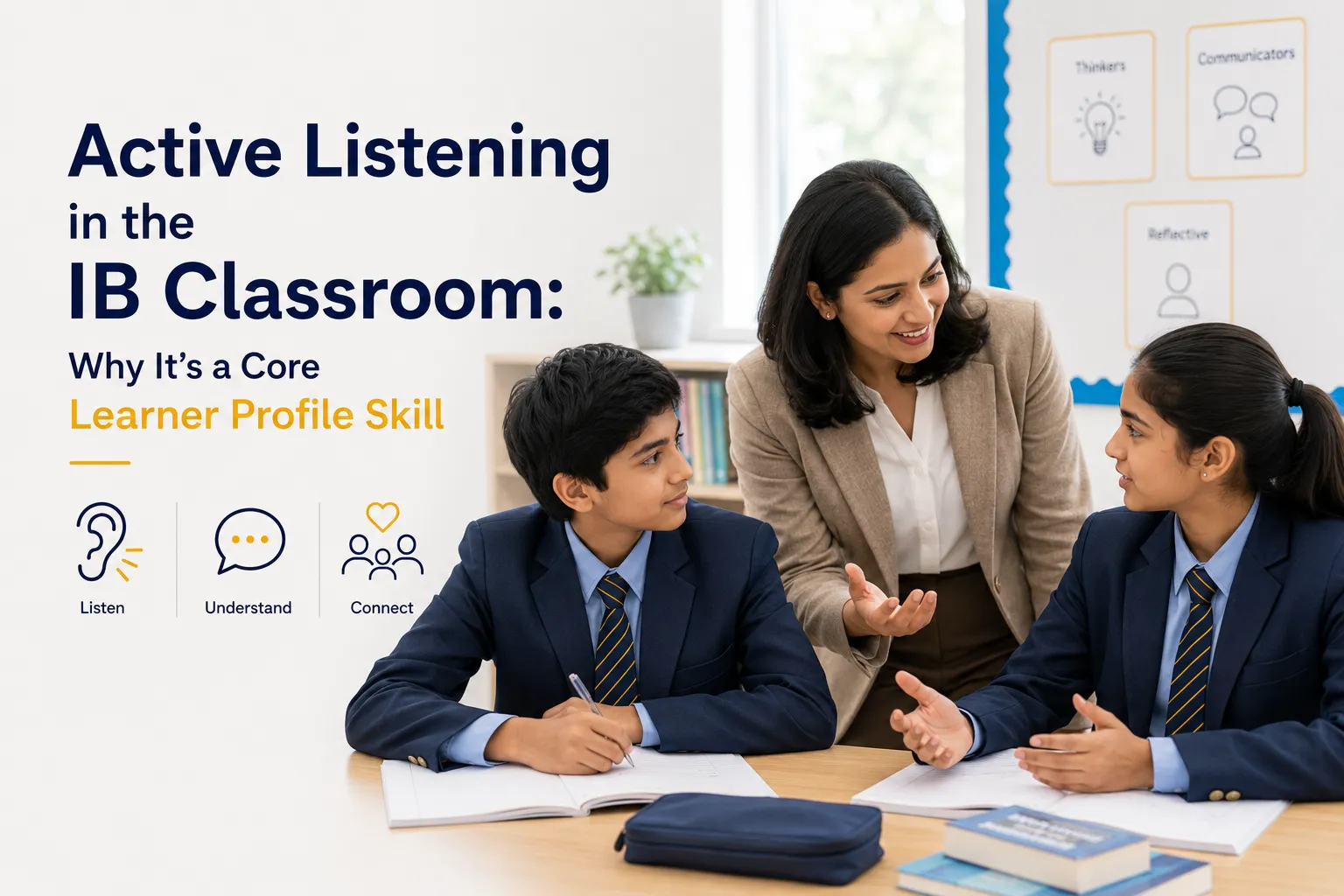
Why Active Listening Is Essential in IB Schools | IB Learner Profile
Discover how active listening supports the IB Learner Profile, Approaches to Learning (ATL), inquiry-based learning, communication skills and holistic student development across the PYP, MYP and DP.