FAQs
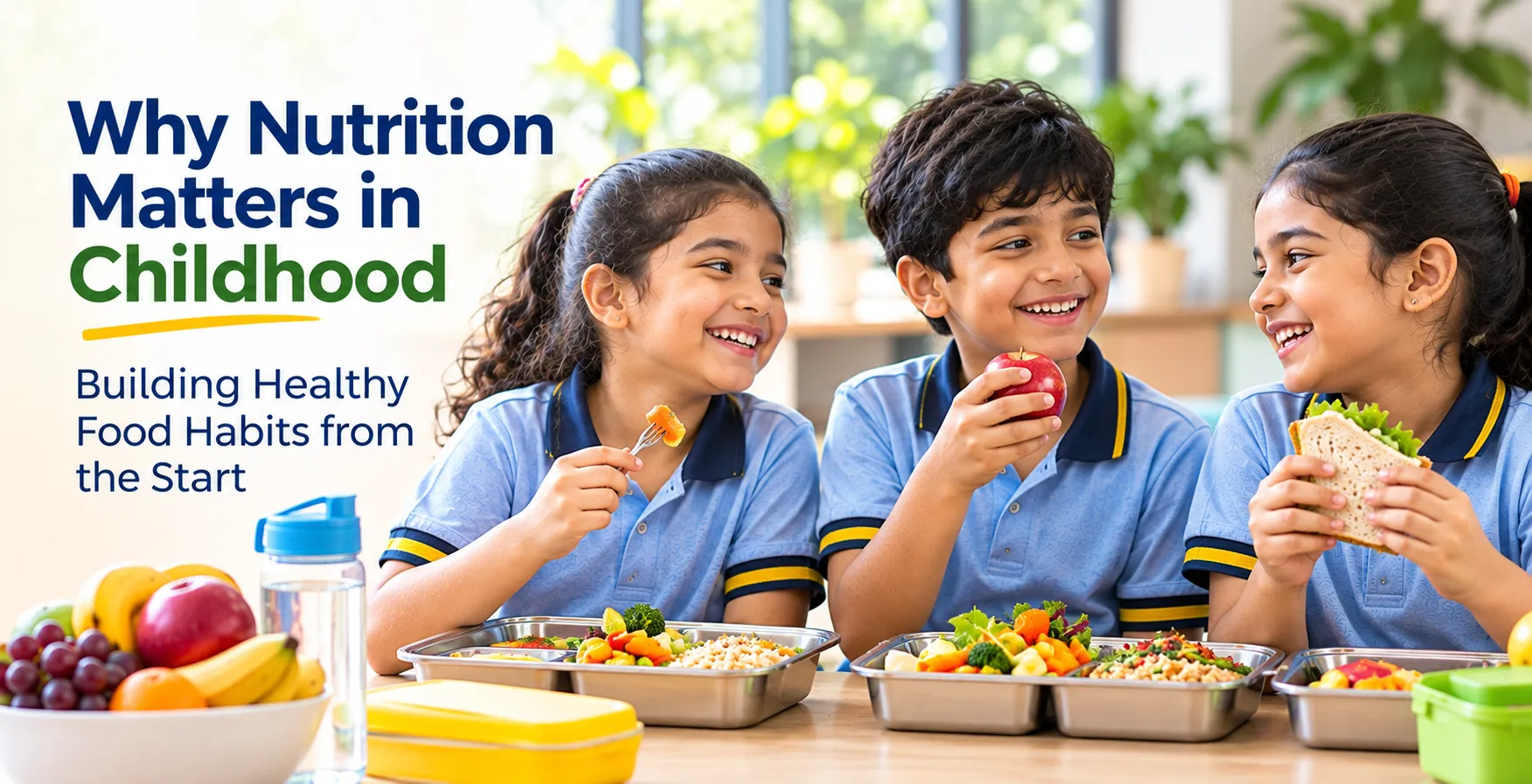
Nutrition is important during childhood because children need essential nutrients to support physical growth, brain development, energy levels, and overall well-being. A varied and balanced diet provides proteins, carbohydrates, healthy fats, vitamins, minerals, and fibre that contribute to normal body functions. Developing healthy eating habits early can also help children build a positive relationship with food as they grow.
A balanced diet for kids includes a variety of foods from different food groups. These generally include fruits and vegetables, whole grains, protein-rich foods such as pulses, lentils, beans and eggs, dairy or suitable alternatives, and healthy fats from foods such as nuts and seeds. Offering different foods across the day helps children get a range of nutrients needed for growth and development.
Healthy eating supports several aspects of a child's development. It provides nutrients needed for healthy growth, supports normal brain and body functions, helps maintain energy for learning and physical activity, and contributes to overall health. Exposure to different flavours and food groups can also help children become more comfortable with nutritious food choices.
Parents can encourage healthy eating habits by setting a positive example, offering a variety of foods, maintaining regular mealtimes, and involving children in simple food preparation. Introducing unfamiliar foods without pressure and avoiding the use of food as a reward or punishment can also help children develop a healthier relationship with eating. Consistency and patience are more helpful than expecting every meal to be perfect.
Children need a range of nutrients for healthy growth and development. Protein supports the growth and repair of body tissues; carbohydrates provide energy; and fats contribute to normal brain development and help the body absorb certain vitamins. Vitamins and minerals, including calcium, iron and vitamin D, also play important roles in normal bodily functions. Children's individual nutritional requirements vary with age, development and health needs.
Food provides the energy and nutrients children need to participate in everyday activities, including learning. Regular, balanced meals can help children meet their nutritional needs and maintain energy throughout the school day. Overall learning and concentration are influenced by several factors, including sleep, hydration, emotional well-being and the learning environment, as well as nutrition.
Start by offering small portions of unfamiliar foods alongside foods your child already enjoys. Try different ways of preparing the same ingredient, involve your child in choosing or preparing meals, and allow repeated exposure without pressure. Avoid forcing children to finish everything on their plates. If selective eating is persistent or affects growth, nutritional intake or well-being, discuss it with a qualified healthcare professional.
Mount Litera School International recognises the importance of student well-being as part of a holistic learning experience. The school's website highlights physical activity and a healthy, nutritious diet in its approach to student well-being. MLSI also provides sports and activity facilities that encourage students to participate in physical activities. Parents can explore the school's learning approach and sports infrastructure to learn more.
Share this article
Related Blogs
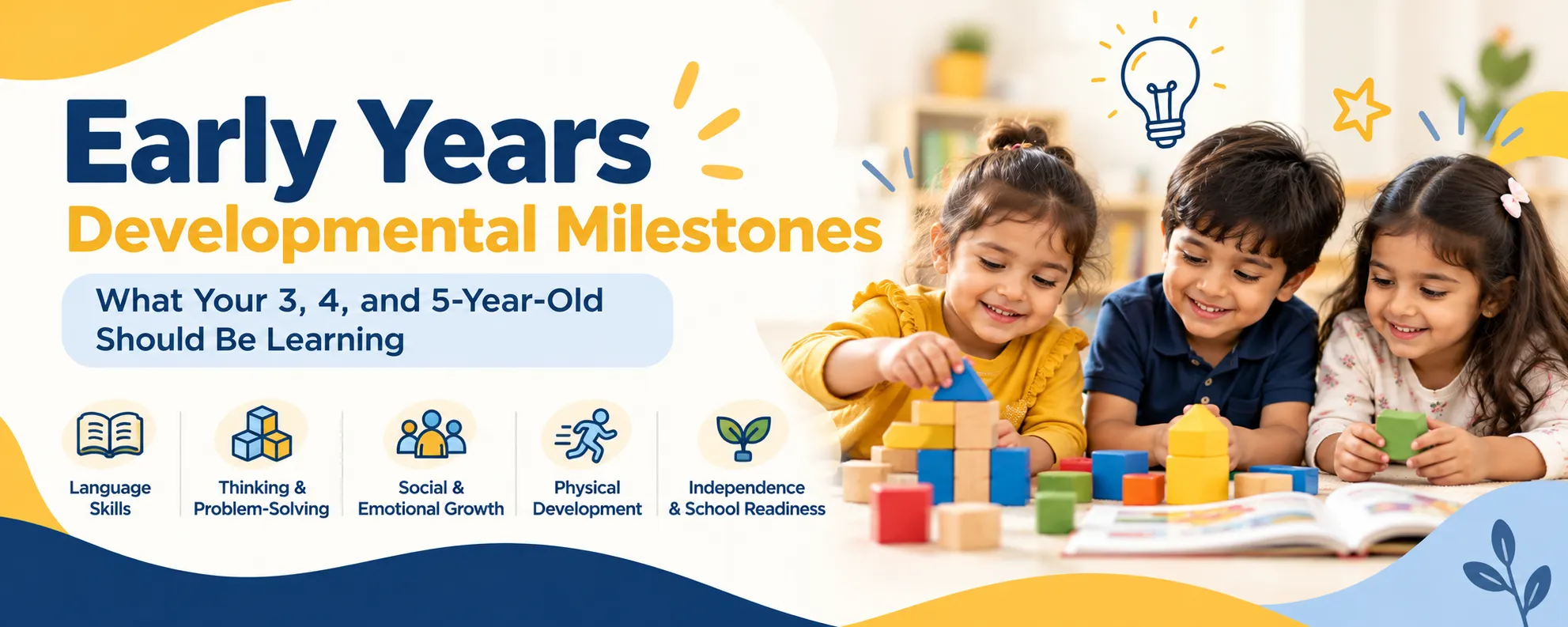
Early Years Developmental Milestones: Ages 3 to 5
Explore early years developmental milestones for ages 3 to 5, including language, cognitive, social and physical skills. See what to expect at each age.
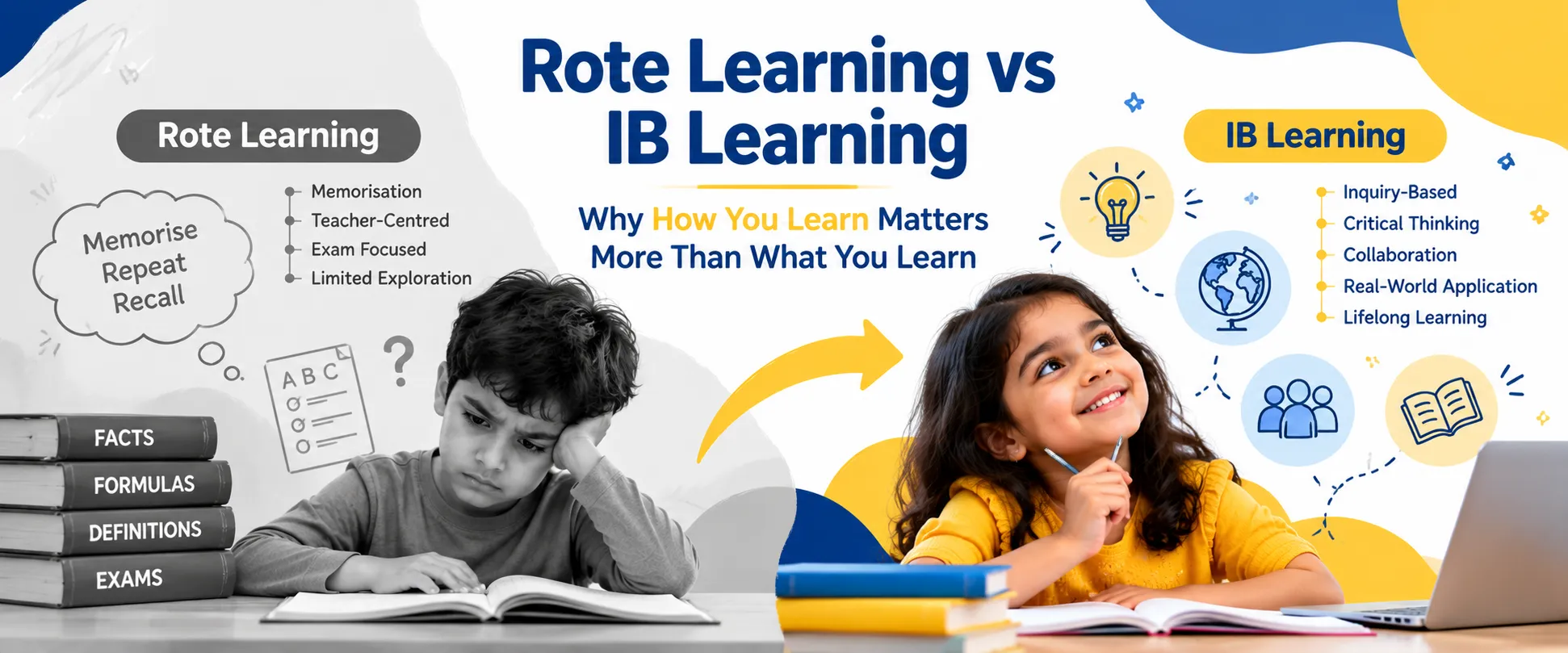
Rote Learning vs IB Learning and Why How You Learn Matters
Compare Rote Learning vs IB Learning values. Discover what is rote learning in education and explore what is IB education system benefits for success. Learn more!

10 Safety Rules for Children at Home Every Parent Should Teach
Learn 10 essential safety rules for children at home, including electrical, fire, kitchen, online, stranger and emergency safety tips for kids.