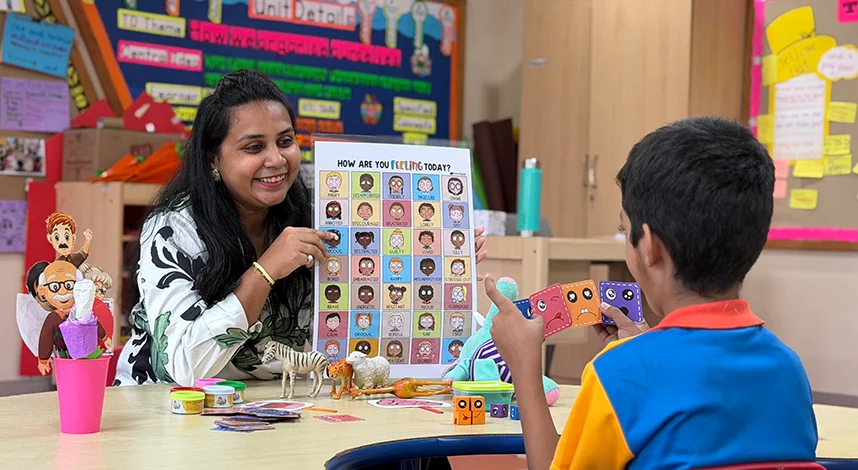
Inclusive education is a cornerstone of the International Baccalaureate (IB) philosophy. By recognising learning differences, adapting teaching approaches and providing equitable learning opportunities, IB schools help every student develop confidence, independence, resilience and a lifelong love of learning.
Every child learns differently. Students also develop at different rates, have different interests and demonstrate understanding in different ways. Effective classrooms recognise this diversity as a strength rather than a challenge.
Some students excel through visual learning, while others learn best through hands-on experiences, discussion, or structured guidance. Inclusive education recognises these differences and ensures that all learners have access to meaningful learning opportunities.
The International Baccalaureate (IB) philosophy strongly supports inclusion by creating learning environments where every student feels valued, supported, and empowered to succeed.
This approach reflects the IB's commitment to equity, inclusion, student agency and international-mindedness across all programmes.
Understanding Learning Differences
Learning differences refer to the unique ways in which students process information, communicate, and demonstrate understanding. These may include conditions such as dyslexia, dysgraphia, ADHD, autism spectrum conditions, or other learning needs.
Learning differences exist on a broad spectrum, and every learner has unique strengths, interests and preferred ways of learning. Some students may require additional support, while others benefit from enrichment, flexibility or alternative ways to demonstrate understanding.
Rather than focusing on limitations, inclusive education focuses on identifying strengths and providing appropriate support.
The focus is on removing barriers to learning so that every student can participate, progress and achieve success.
Learning Differences Are Not Learning Limitations
Learning differences do not define a student's potential. With the right support, personalised strategies and inclusive teaching practices, students with diverse learning profiles can thrive academically, socially and emotionally.
The IB Approach to Inclusion
The IB believes that all students can learn and that diversity enriches the learning community. Inclusive education is not about creating separate learning experiences; it is about ensuring equitable access to learning for everyone.
IB promotes inclusive education by encouraging schools to create flexible learning environments where diversity is respected and every learner can participate meaningfully.
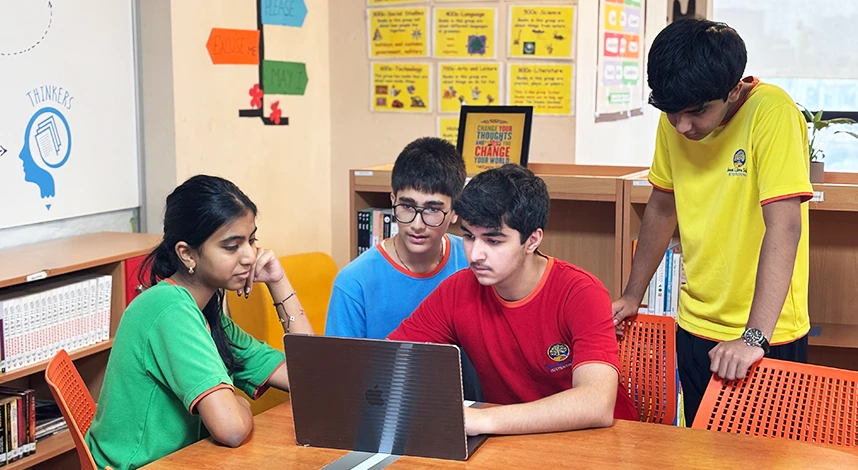
In IB classrooms, teachers use flexible teaching approaches that support a wide range of learning needs.
Teachers use evidence-informed strategies that encourage student agency, inquiry, collaboration and reflection while maintaining high expectations for every learner.
These may include:
- Differentiated instruction
- Flexible grouping
- Visual supports
- Assistive technology
- Multiple assessment options
- Individual learning goals
- Scaffolded learning experiences
- Universal Design for Learning (UDL) principles where appropriate
- Choice-based learning activities
- Flexible pacing
- Collaborative inquiry
- Regular formative assessment and feedback
Creating a Supportive Learning Environment
Inclusive classrooms are built on respect, empathy, and collaboration. Teachers create safe environments where students feel comfortable asking questions, taking risks, and learning from mistakes.
Psychological safety encourages students to take intellectual risks, ask questions and develop confidence in their own learning journey.
Students are encouraged to appreciate different perspectives and recognise that everyone learns in unique ways.
This culture of inclusion also strengthens empathy, respect and international-mindedness across the school community.
This approach helps build confidence, self-esteem, and a strong sense of belonging.
How MLSI Supports Diverse Learners
At Mount Litera School International , inclusion is embedded within teaching and learning practices. Teachers carefully monitor student progress and adapt instruction to meet individual needs.
Support is tailored to each student's strengths, learning profile and developmental needs through ongoing observation, collaboration and reflection.
Support strategies may include:
- Personalised learning plans
- Small-group instruction
- Scaffolded learning experiences
- Regular communication with families
- Ongoing monitoring and feedback
- Differentiated classroom instruction
- Student goal setting
- Individual accommodations where appropriate
- Collaboration between teachers, learning support specialists and families
- Use of assistive technologies where appropriate
The goal is to ensure that every learner has opportunities to achieve success and demonstrate growth.
Regular communication between school and home helps ensure consistent support and celebrates each student's progress over time.
Benefits of Inclusive Education
Inclusive education benefits all students, not only those with identified learning needs.
Students develop:
- Empathy and understanding
- Collaboration skills
- Respect for diversity
- Confidence and resilience
- Stronger communication skills
- Improved problem-solving skills
- Greater independence
- Stronger self-advocacy
- Higher student engagement
- Enhanced critical thinking
- Improved collaboration
- Greater sense of belonging
These qualities contribute to both academic success and personal development.
Research consistently shows that inclusive learning environments benefit every student by promoting collaboration, creativity, communication and mutual respect.
Inclusive Education Across the IB Continuum
Inclusive practices are embedded throughout every stage of an IB education.
In the Primary Years Programme (PYP), inquiry-based learning, play, collaboration and differentiated experiences help children build confidence and independence.
In the Middle Years Programme (MYP), students develop greater agency through personalised learning, interdisciplinary inquiry and collaborative projects.
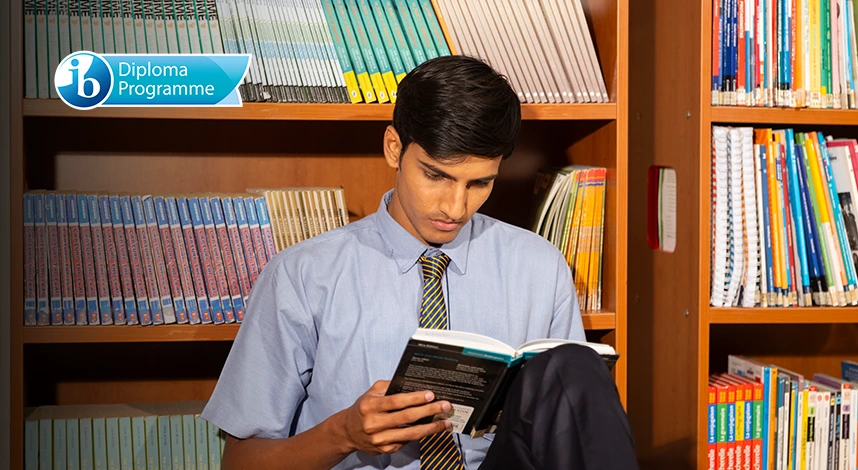
In the Diploma Programme (DP), inclusive teaching strategies continue to support academic rigour while recognising individual strengths, aspirations and learning needs.
Across every programme, the goal remains the same: equitable access to meaningful learning opportunities for every student.
Building a Community Where Every Learner Thrives
Inclusive education is more than a teaching strategy; it is a commitment to equity and belonging. By recognising and supporting individual learning differences, IB schools create environments where every student can participate meaningfully and reach their potential.
When schools celebrate diversity and remove barriers to learning, students develop the confidence, resilience and skills needed to succeed in higher education, future careers and an increasingly interconnected world.
Continue Exploring IB Education
Inclusive education is one of the many ways an IB school prepares children to become confident, compassionate and internationally minded learners. If you're exploring the benefits of an International Baccalaureate education, discover more about our IB programmes, teaching philosophy, and holistic approach to student development. You can also visit our homepage for expert insights on inquiry-based learning, student wellbeing, the IB Learner Profile and future-ready education across every stage of your child's journey.
Key Takeaways
- Every child learns differently, and inclusive education values those differences.
- IB schools provide equitable access through differentiated and personalised learning.
- Inclusion supports both academic achievement and student wellbeing.
- Teachers adapt instruction while maintaining high expectations for every learner.
- Families and schools work together to support each child's growth.
- Inclusive education prepares students for lifelong learning and global citizenship.
H2: References
International Baccalaureate Organization. (2019). Learning diversity and inclusion in IB programmes. International Baccalaureate Organization. Retrieved from https://www.ibo.org
International Baccalaureate Organization. (2020). The IB learner profile. International Baccalaureate Organization. Retrieved from https://www.ibo.org
International Baccalaureate Organization. (2022). Approaches to learning in IB programmes. International Baccalaureate Organization. Retrieved from https://www.ibo.org
UNESCO. (2020). Inclusion and education: All means all. Global Education Monitoring Report. Paris: UNESCO Publishing. Retrieved from https://www.unesco.org
Tomlinson, C. A. (2017). How to differentiate instruction in academically diverse classrooms (3rd ed.). Alexandria, VA: ASCD.
FAQs
Inclusive education in an IB school means creating a learning environment where every student has equitable access to high-quality education, regardless of their learning profile, abilities or individual needs. Through differentiated instruction, personalised learning and supportive teaching practices, IB schools help every learner participate meaningfully and reach their full potential.
The International Baccalaureate supports students with learning differences through inclusive teaching practices, differentiated instruction, flexible assessment methods, personalised learning goals, assistive technologies where appropriate and ongoing collaboration between teachers, families and learning support professionals. The focus is on removing barriers to learning rather than lowering expectations.
Learning differences refer to the unique ways individuals process information, communicate and demonstrate understanding. They may include dyslexia, dysgraphia, ADHD, autism spectrum conditions and other learning profiles. Every student has individual strengths, and inclusive education recognises these differences while providing appropriate support for academic, social and emotional development.
Differentiated instruction is a teaching approach that adapts learning experiences to meet students' different abilities, interests, learning preferences and levels of readiness. In IB classrooms, teachers may vary teaching strategies, resources, assessment methods and learning activities so every student can engage successfully with the curriculum.
Inclusive education helps every learner—not only those with identified learning differences. Students develop empathy, collaboration, communication, critical thinking, resilience and respect for diversity while learning alongside peers with different perspectives and strengths. These experiences prepare students for success in higher education, workplaces and global communities.
Parents are important partners in an inclusive learning community. Regular communication with teachers, sharing insights about their child's strengths and needs, supporting learning at home and celebrating progress all contribute to a consistent and supportive educational experience. Strong school-home partnerships help children develop confidence and independence.
No. Inclusive education maintains high academic expectations while providing appropriate support to help every student succeed. Rather than changing learning goals, teachers adapt teaching strategies, resources and assessment methods so students can demonstrate their understanding in meaningful ways.
Inclusion reflects the IB mission of developing caring, knowledgeable and internationally minded young people. By valuing diversity, encouraging collaboration and promoting equitable access to learning, IB schools prepare students to become compassionate global citizens who appreciate different perspectives and contribute positively to society.