Preschool and playgroup are both early childhood education options, but they differ in their purpose, structure, age groups and learning experiences. Understanding the difference between preschool and playgroup can help parents choose the right starting point based on their child's age, development and readiness.
"Should I put my child in Playgroup or straight into Preschool?" It's one of the most common questions parents ask when they start looking at schools for the first time - and it's a fair one. On paper, both sound like "toddlers going somewhere to play." The difference is smaller in appearance but bigger in purpose than most parents expect.
The One-Line Difference
The simplest way to understand preschool vs playgroup is this: playgroup generally focuses on a child's first experience of a group setting, while preschool introduces greater routine, structure and early learning experiences.
Playgroup is about first exposure - a gentle, low-pressure introduction to being away from a parent and around other children.
Preschool is about first structure - the next step, where that exposure starts turning into steady routines and early academic groundwork.
Playgroup asks: can my child handle being in a group setting at all?
Preschool asks: now that they can, what should we build on it?
Both can support early childhood development, but the right choice depends on the child's individual needs and readiness.
Age and Timing
- Playgroup typically starts earliest, often between 18 months and 2.5 years, depending on the child.
- Preschool usually follows from around age 2.5 to 3 onward, once a child already has some basic comfort with separation, routine, and group settings.
Playgroup is generally designed for younger children, while preschool typically caters to children who are ready for a more consistent early learning environment. However, age eligibility varies between schools and programmes.
Playgroup is often a child's very first school experience of any kind, with Preschool arriving as the next step after it. That said, plenty of children skip Playgroup entirely and start directly in Preschool, especially if they're already comfortable around groups.
There is no universal rule that a child must attend playgroup before preschool. Parents should consider their child's development, separation readiness, social confidence and the specific age criteria of the preschool.
What a Session Actually Looks Like
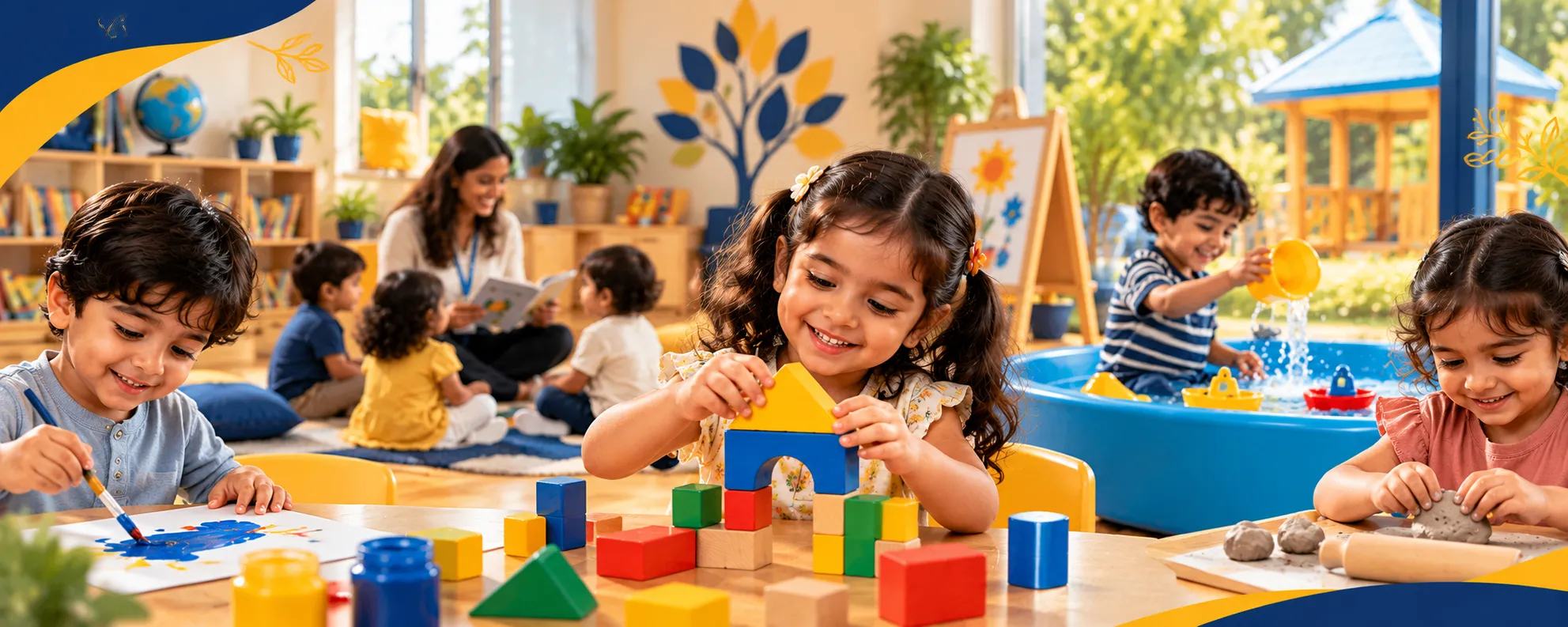
Playgroup:
- Shorter sessions, often just an hour or two
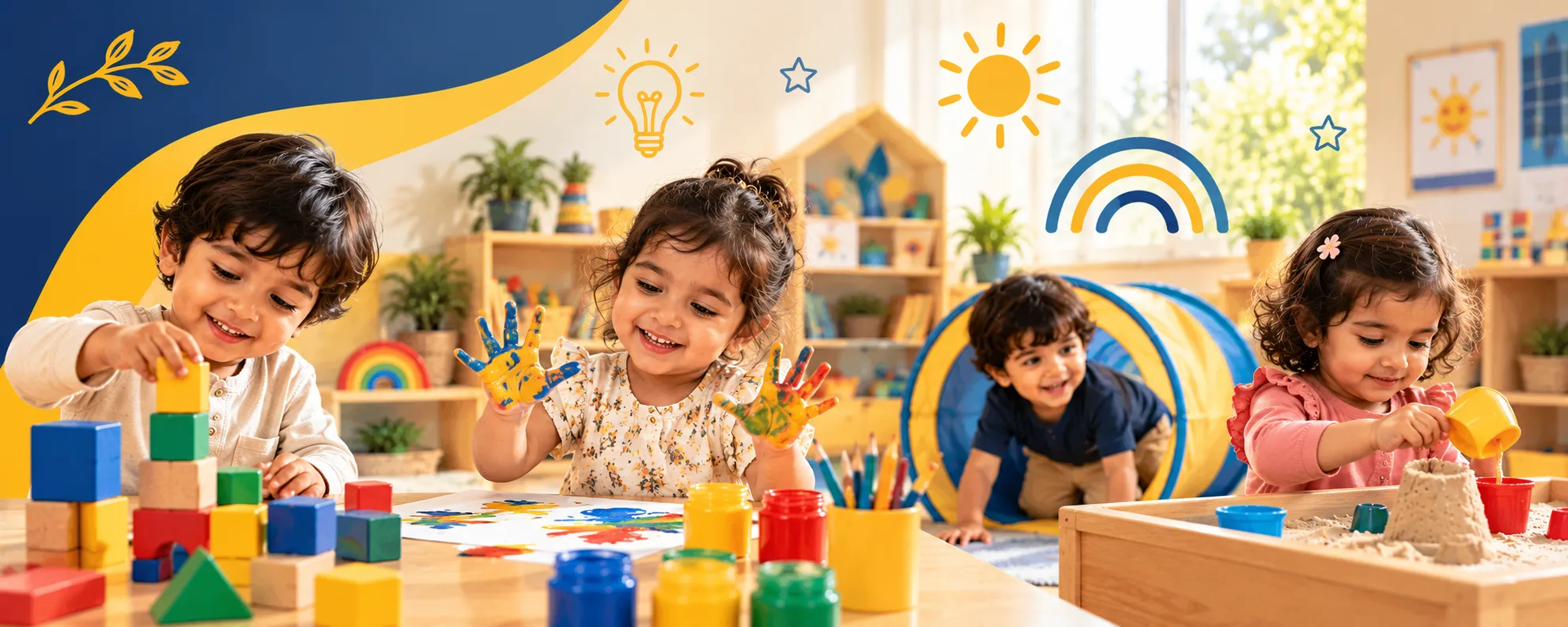
- Heavy focus on sensory play - sand, water, textures, simple toys
- Loose, unstructured time with minimal routine
- A parent or caregiver often stays nearby, especially in the early weeks
- Almost no formal circle time or group instruction
Preschool:
- Longer sessions, often a half-day or more
- A mix of free play and short, structured group activities
- A consistent daily routine - circle time, snack time, activity time
- Children attend independently, without a parent present
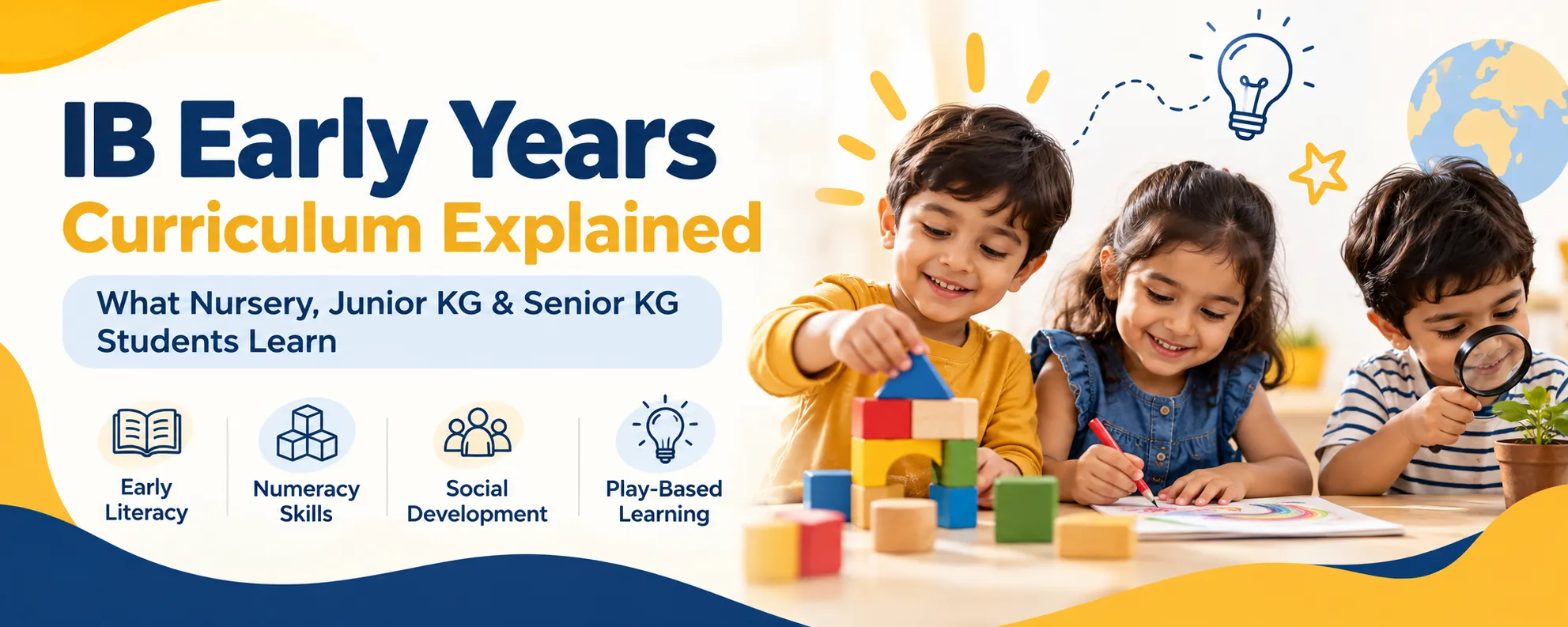
- Early introduction to letters, numbers, and simple concepts through play
The key difference is the level of structure and the developmental purpose of the experience. Playgroup typically emphasises settling into a group environment, while preschool combines play with increasingly purposeful and structured learning experiences.
What Each One Is Building
Playgroup lays the groundwork: separation tolerance, comfort around unfamiliar children and adults, and a first taste of routine outside the home. There's very little academic content, and that's by design. The goal is simply helping a child feel safe and curious in a group setting.
Preschool builds on that foundation. With separation and basic social comfort already underway, children are ready for a bit more structure - following a daily schedule, joining group activities, and getting an early, hands-on introduction to literacy and numeracy.
Both playgroup and preschool can support important developmental skills, including communication, social interaction, independence, motor development, confidence and early learning behaviours.
For more information on how early learning supports children's development, explore MLSI’s preschool programmes.
Which One Does Your Child Need Right Now?
- Choose Playgroup if your child is under 2.5, has had limited exposure to peers, or needs a low-pressure way to ease into separation before formal schooling begins.
- Choose Preschool if your child is 3 or older, shows curiosity about structured activities, can manage a few hours independent of you, and seems ready for early literacy, math, and inquiry-based learning.
These age ranges are general guidelines rather than fixed rules. A child's developmental readiness and the school's programme structure should also be considered when deciding between playgroup and preschool.
Some children move through both as a natural two-step progression. Others, especially those already confident around siblings, cousins, or extended family, can start directly in Preschool without missing anything essential. The real question isn't which one is "required" - it's what your child needs right now: more time simply getting comfortable away from home, or a bit more structure to grow into.
In Closing
Playgroup and Preschool aren't competing options - they're two steps on the same staircase, just at different heights. One helps a child get comfortable being away from home; the other helps them start using that comfort to learn, explore, and grow. Knowing the difference isn't about picking the "better" one - it's about picking the right starting point for your child.
Whether you choose playgroup or preschool, look for an age-appropriate environment where children feel safe, supported and encouraged to explore, communicate, play and develop at their own pace.
If you are exploring preschool options for your child, discover MLSI preschool programmes and learn more about its approach to early childhood learning
FAQs
The main difference between playgroup and preschool is their developmental focus and level of structure. Playgroup generally introduces young children to group settings, social interaction and separation, while preschool provides more consistent routines and purposeful early learning experiences.
Playgroup typically caters to younger toddlers, often from around 18 months to 2.5 years, although age eligibility varies by school and programme. The focus is generally on helping children become comfortable with group experiences, play and simple routines.
Preschool commonly begins around 2.5 to 3 years of age, depending on the school's programme and the child's readiness. Preschool typically introduces greater structure while continuing to use play and hands-on experiences to support early learning and development.
No, a child does not necessarily need to attend playgroup before preschool. Children who are already comfortable with separation, peers and group environments may be ready to start directly in preschool, depending on the school's age requirements and admission criteria.
No. Although both involve play and social interaction, playgroup generally offers a gentler introduction to group settings, while preschool provides a more structured early learning environment. The exact experience varies between schools and programmes.
Playgroup can help children develop social interaction, communication, separation confidence, sensory awareness, motor skills and comfort with simple routines. Learning is generally centred around play, exploration and interaction rather than formal academic instruction.
Preschool supports communication, social-emotional development, early literacy, early maths, motor skills, problem-solving, creativity, independence and learning behaviours through age-appropriate play and purposeful experiences.
Neither is universally better; the right choice depends on the child's age, development and readiness. Playgroup may be suitable for a child experiencing a group setting for the first time, while preschool may be appropriate for a child ready for greater routine and structured learning experiences.
Yes. Many three-year-olds can start preschool without previously attending playgroup, particularly if they are comfortable separating from caregivers, interacting with other children and participating in simple routines. Parents should also check the preschool's age eligibility and entry requirements.
Playgroup can provide toddlers with opportunities to socialise, explore new environments, develop communication skills, practise separation and build confidence through play. These experiences can help make the transition to a more structured preschool environment smoother for some children.