FAQs
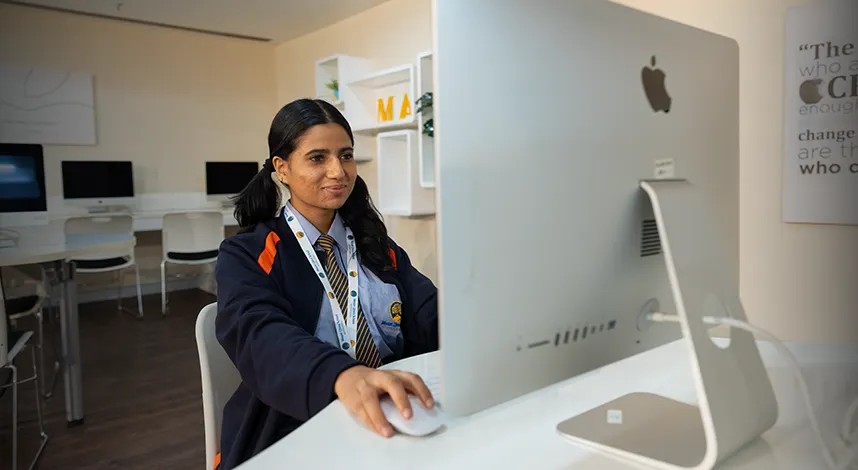
IB schools use technology as a tool to enrich learning rather than replace traditional teaching. Digital resources support inquiry-based learning by enabling students to research, collaborate, create, reflect, and present their understanding in meaningful ways.
Students may use technology to conduct investigations, develop digital portfolios, collaborate on projects, analyse information, or create multimedia presentations. Technology is carefully integrated with discussion, hands-on activities, outdoor learning, and collaborative experiences to ensure a balanced and engaging learning environment. This approach helps students develop digital literacy alongside critical thinking, creativity, and communication skills.
There is no single recommendation that applies to every child, as the quality and purpose of screen time are just as important as the amount. Educational screen time that encourages active learning, creativity, collaboration, and problem-solving is very different from passive entertainment.
IB schools focus on purposeful technology use by balancing digital learning with classroom discussions, physical activity, outdoor experiences, practical investigations, and face-to-face collaboration. At home, parents can support healthy screen habits by encouraging regular breaks, maintaining screen-free family time, and ensuring children have opportunities for play, exercise, reading, and social interaction.
Yes. When used purposefully, technology can enhance learning by increasing student engagement, supporting personalised learning, improving collaboration, and providing access to a wide range of high-quality learning resources. Digital tools also encourage creativity, research, communication, and critical thinking.
Within the IB framework, technology supports inquiry-based and concept-based learning by enabling students to investigate authentic questions, collaborate with peers, and demonstrate their understanding in creative ways. The focus is always on using technology to deepen learning rather than simply increasing screen time.
IB schools believe that meaningful learning happens through a balance of digital and real-world experiences. Technology is integrated where it adds value, while students also participate in practical investigations, collaborative discussions, outdoor learning, creative projects, experiments, and service-learning experiences.
This balanced approach reflects the IB philosophy of developing the whole child. By combining technology with inquiry, reflection, and active learning, students build conceptual understanding, transferable skills, and the confidence to apply their knowledge in a variety of contexts.
Digital literacy is an essential skill for success in education, the workplace, and everyday life. It enables students to find reliable information, think critically about digital content, communicate effectively, use technology responsibly, and adapt to an increasingly digital world.
In the International Baccalaureate, digital literacy complements the development of Approaches to Learning (ATL) Skills, including research, communication, thinking, self-management, and collaboration. These transferable skills help students become independent learners who can use technology confidently and responsibly throughout their lives.
Technology enhances education by making learning more interactive, engaging, and personalised. It provides access to global information, encourages collaboration, supports creativity, and allows students to explore complex concepts through simulations, multimedia resources, and digital tools.
When combined with effective teaching and inquiry-based learning, technology helps students develop essential 21st-century skills such as critical thinking, communication, problem-solving, adaptability, and digital literacy. These competencies prepare learners for higher education, future careers, and lifelong learning.
Parents can encourage healthy screen habits by creating a balanced daily routine that includes learning, physical activity, outdoor play, reading, family interaction, and sufficient sleep. Establishing clear expectations around device use, encouraging regular screen breaks, and modelling responsible technology habits all contribute to healthy digital wellbeing.
It is also beneficial to choose high-quality educational content, talk with children about online safety, and encourage them to use technology creatively rather than passively. When children see technology as a tool for learning, creating, and communicating—not simply entertainment—they are more likely to develop responsible and balanced digital habits that will benefit them throughout their lives.
Share this article
Related Blogs
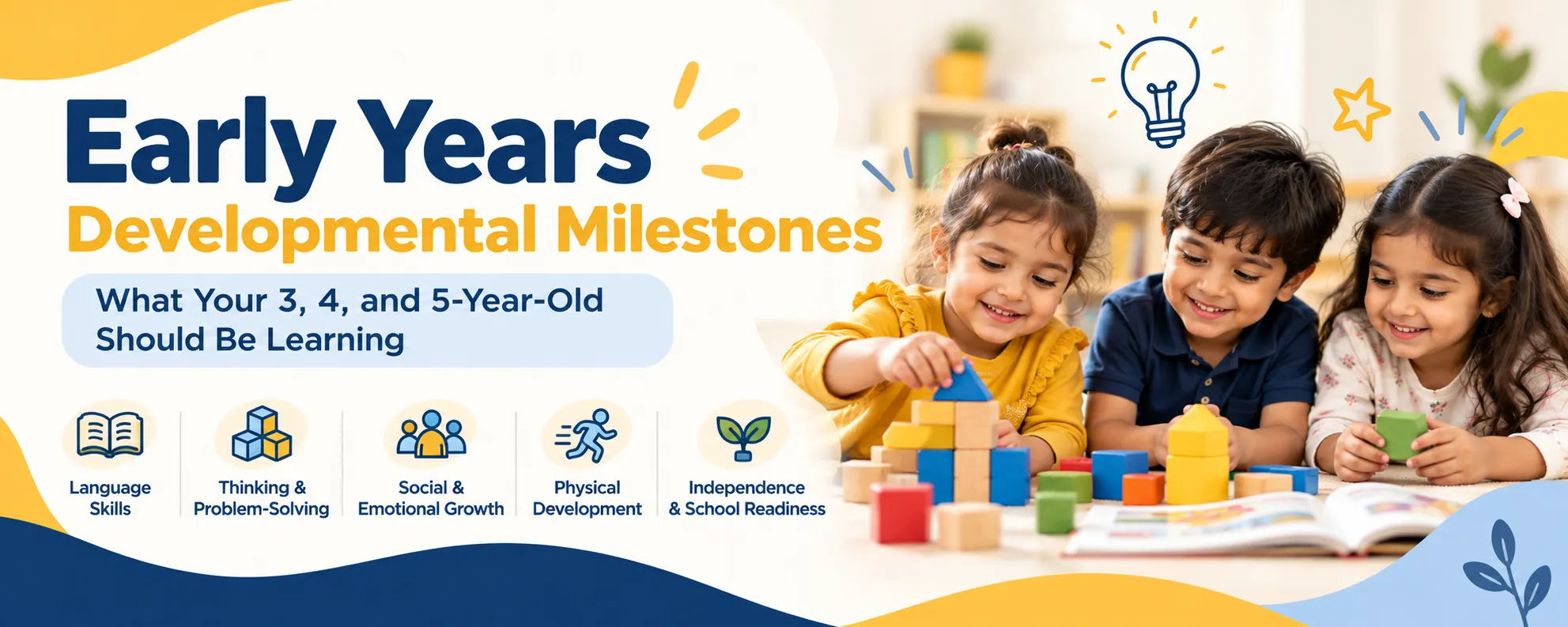
Early Years Developmental Milestones: Ages 3 to 5
Explore early years developmental milestones for ages 3 to 5, including language, cognitive, social and physical skills. See what to expect at each age.
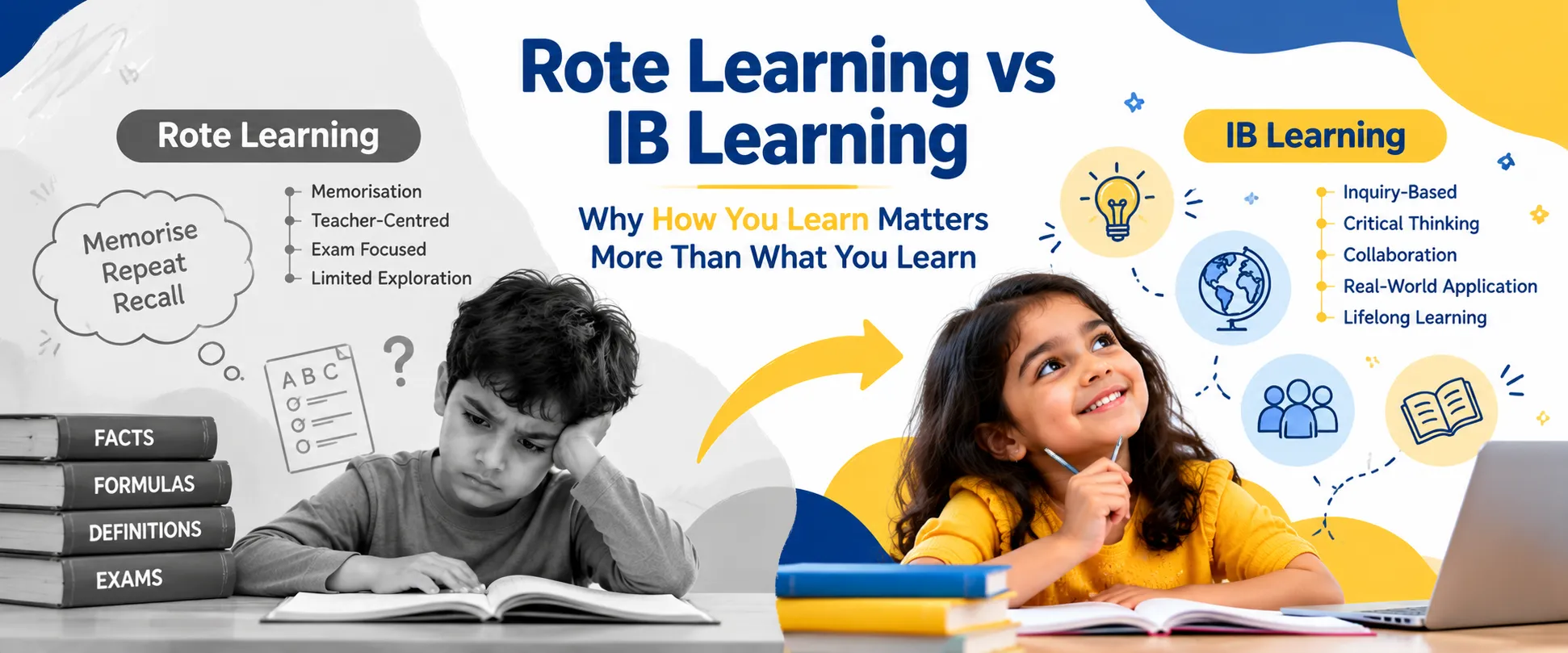
Rote Learning vs IB Learning and Why How You Learn Matters
Compare Rote Learning vs IB Learning values. Discover what is rote learning in education and explore what is IB education system benefits for success. Learn more!

Why Preschool Matters: Benefits of Early Childhood Education
Discover why preschool matters and how early childhood education builds social, emotional, cognitive and physical skills for lifelong learning.