Preschool is an important stage of early childhood education that helps children develop the social, emotional, cognitive, physical and communication skills they need for school and lifelong learning. The benefits of preschool extend beyond early academic skills, helping children develop confidence, independence, curiosity and a positive relationship with learning.
Ask most people what "school" looks like, and they picture rows of desks, raised hands, and a teacher at the front. Now picture a room full of three- and four-year-olds instead. Does the same image still make sense?
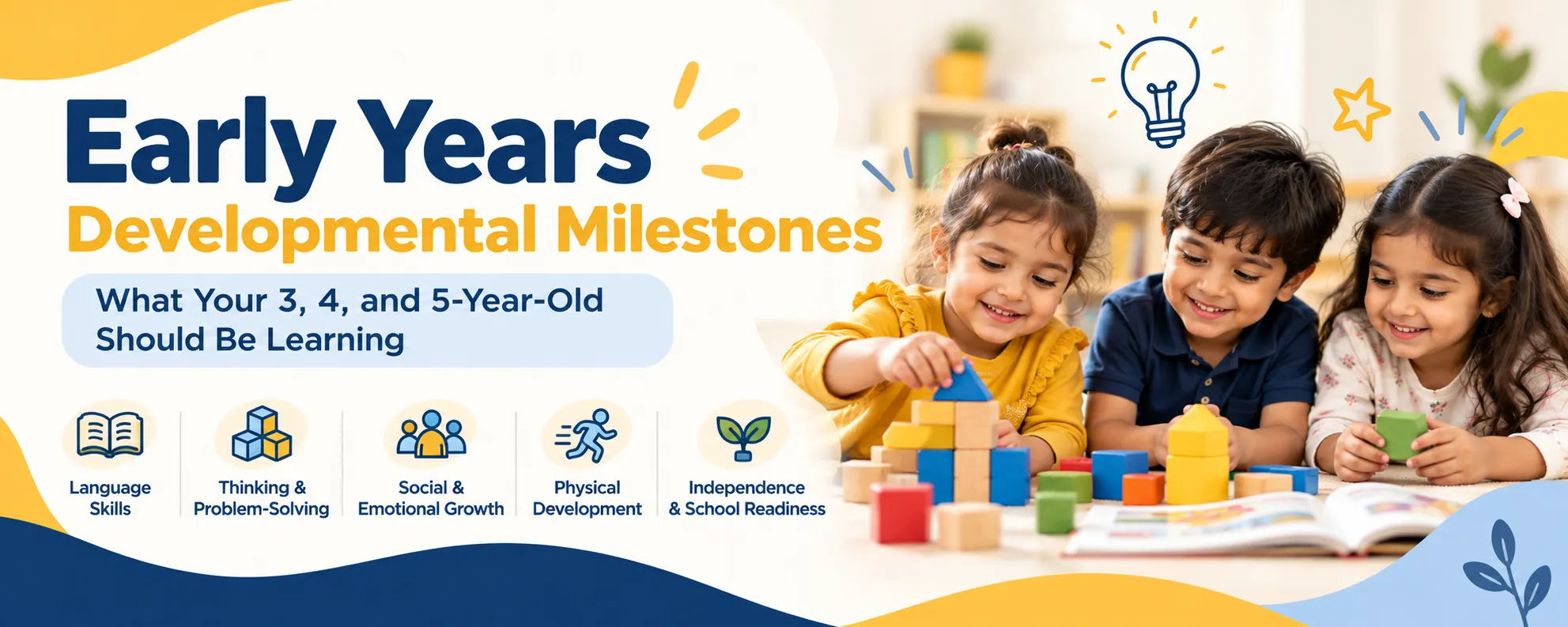
It shouldn't. The Early Years are not a warm-up act before "real" school begins - they are a critical foundation for a child's learning, development and school readiness.
Preschool matters because it supports the foundations children need for future learning and development. Through play, relationships and purposeful experiences, preschool can help children develop language, social-emotional skills, self-regulation, motor skills, curiosity, independence and school readiness.
A Brain Under Construction
In the first few years of life, a child's brain is doing something remarkable: building and strengthening neural connections at a rapid pace. Neural pathways form at an extraordinary rate, laying down the wiring for language, emotion, movement, and thought.
This is not a stage to rush through with flashcards. It is a narrow window in which the environment itself becomes a teacher - through touch, movement, relationships, and play.
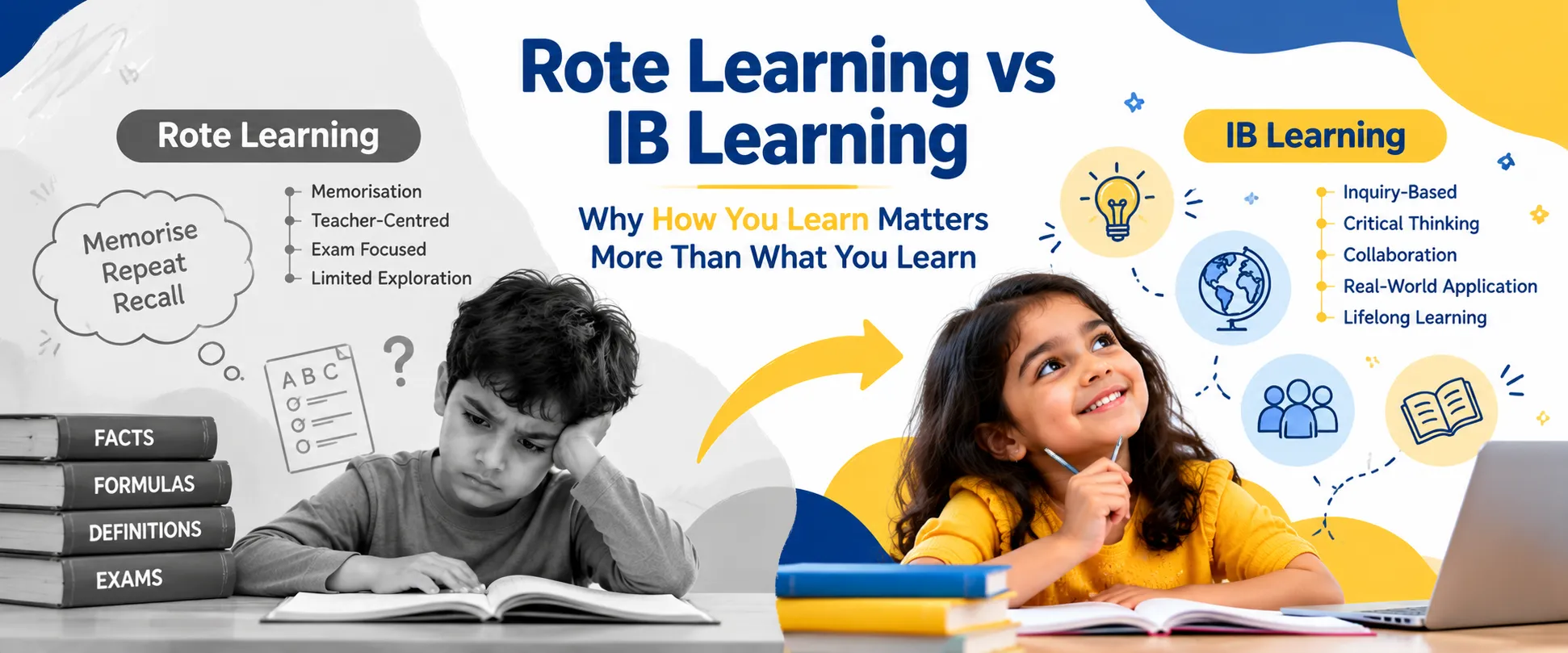
This is why high-quality early childhood education focuses not only on what children learn, but also on how they learn. Meaningful interactions, play, exploration and relationships can provide the foundations for future development.
What the Early Years Are Really Building
Long before children need to know facts, they need to build the mental muscles that let them use facts well:
- Curiosity - the instinct to ask "why" and "what if"
- Self-regulation - the ability to pause, wait, and manage big feelings
- Language and communication - not just vocabulary, but the confidence to express an idea
- Social awareness - sharing, negotiating, noticing how others feel
- Fine and gross motor control - the hand strength and body coordination that later make holding a pencil, or simply sitting still, possible
- Resilience - trying again after a block tower falls or a drawing doesn't turn out right
- A sense of belonging - trusting that this is a safe place to take risks, make mistakes, and be heard
A child who spends their Early Years building these foundations doesn't just arrive at "big school" knowing letters and numbers. They arrive with important foundations for learning: confidence, curiosity, communication, self-regulation and the ability to participate in a learning community.
Why Preschool Deserves Its Own Kind of Classroom
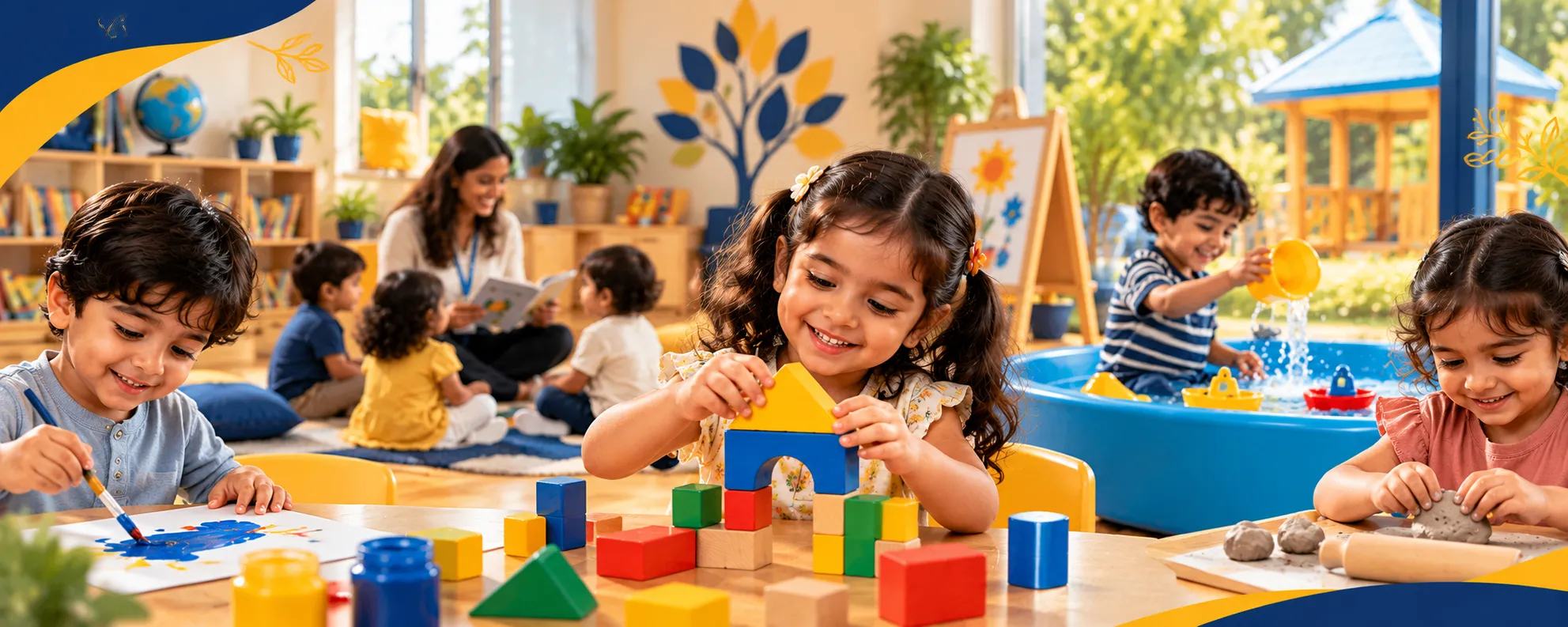
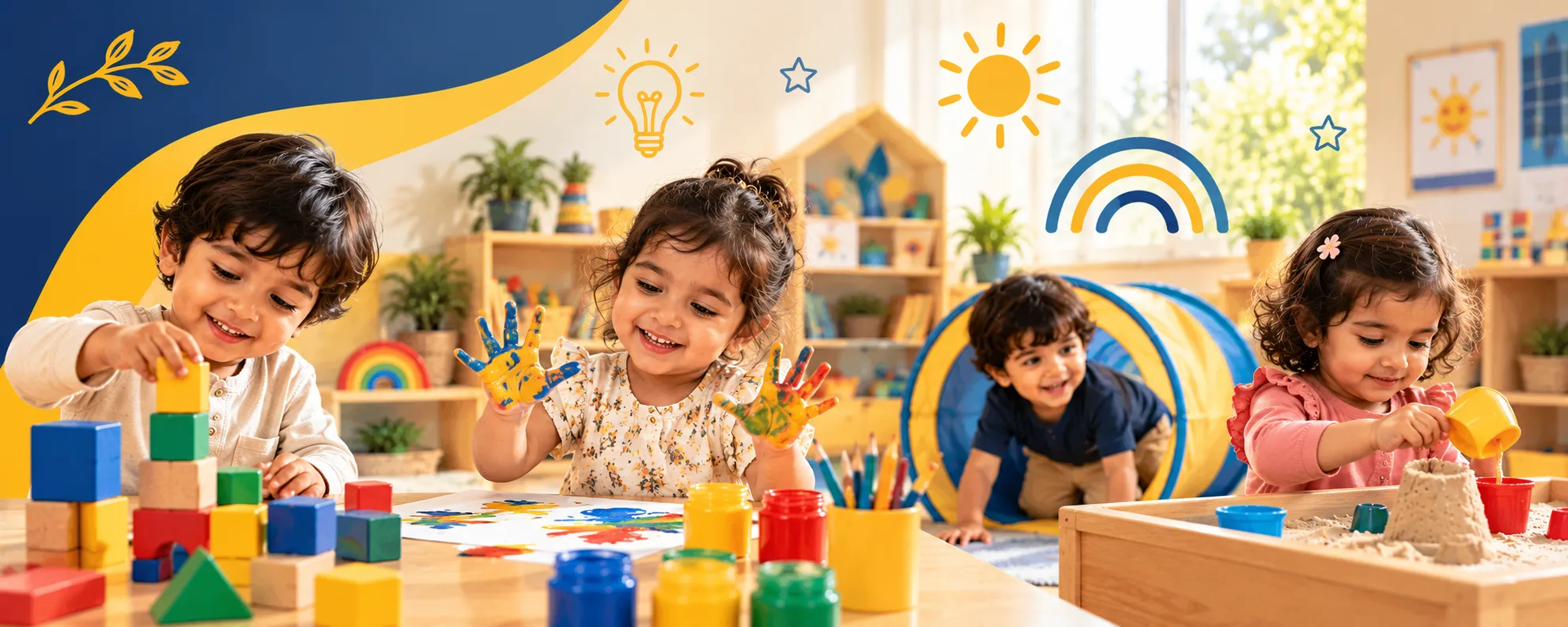
Because this kind of development doesn't happen through instruction - it happens through experience. A child stacking blocks is learning balance and cause-and-effect. A child pretending to run a shop is learning language, math, and empathy all at once. A child arguing over whose turn it is next is doing some of the hardest social learning of their life.
These are some of the key benefits of preschool: children can develop early communication, social skills, problem-solving, motor skills and independence through purposeful play and everyday experiences.
This is why preschool classrooms are designed to look and feel so different: low tables instead of desks, open time instead of tight schedules, and teachers who observe and guide rather than instruct from the front.
A rich, well-designed preschool environment gives a developing brain something worthwhile to work with: new vocabulary, new problems to solve, new relationships to navigate. Skipping this stage doesn't mean a child falls permanently behind, but it does mean missing a window when learning happens with unusual ease.
A high-quality preschool environment therefore provides opportunities for children to learn through play, interaction, exploration and guided experiences rather than relying primarily on formal instruction.
What Really Stays With Them
Preschool is not simply childcare with an academic layer added, nor is it a race to read early. It is the stage where children develop their core relationship with learning itself.
The habits, confidence, and social capabilities quietly absorbed between ages three and six often shape a student's academic journey far more than any early workbook can. Every question asked, friendship formed, and problem solved shapes the capable learner that child will become.
The importance of preschool lies in this broader foundation. Quality early years education can help children become confident learners who are ready to engage with new ideas, relationships and challenges as they progress through school.
For families exploring an approach to early years education that combines learning, wellbeing and holistic child development, discover the Early Years learning journey at MLSI
FAQs
Preschool is important because it helps children develop the social, emotional, cognitive, physical and communication skills that support future learning. Through play, relationships and purposeful experiences, children can develop confidence, independence, curiosity, self-regulation and school readiness.
The benefits of preschool education include opportunities to develop language and communication, social skills, emotional regulation, fine and gross motor skills, problem-solving, creativity, independence and early learning behaviours. A quality preschool environment also helps children become comfortable participating in a learning community.
Children learn much more than letters and numbers in preschool. They develop communication, early mathematical thinking, physical coordination, social skills, self-regulation, creativity, problem-solving, independence and the ability to collaborate with others.
Preschool supports school readiness by helping children develop the skills and behaviours needed to participate confidently in a classroom. These can include listening, communicating, following routines, managing emotions, interacting with peers, completing simple tasks and developing independence.
Preschool is not the only environment in which children can develop important skills, but high-quality preschool can provide structured opportunities for learning, play, social interaction and development. The quality of the environment, relationships and learning experiences is particularly important.
The terminology varies between education systems. Generally, preschool refers to early childhood education before formal primary schooling, while kindergarten may refer to a specific year or stage within early education or the transition into formal schooling. Parents should check the age groups and programme structure used by the individual school.
Play-based learning allows children to develop skills by exploring, experimenting, communicating, solving problems and interacting with others. Through activities such as role play, construction, art, stories and outdoor play, children can develop multiple areas of learning at the same time.
There is no single ideal age that applies to every child. Preschool entry depends on the child's development, family circumstances and the school's age eligibility and programme structure. Parents should consider whether the environment is developmentally appropriate and provides a supportive transition.
Preschool gives children regular opportunities to interact with peers, build relationships, express emotions, practise turn-taking, resolve simple conflicts and develop empathy. Supportive educators can help children learn to recognise and manage their emotions in age-appropriate ways.
Yes. Preschool provides frequent opportunities for conversation, storytelling, songs, discussion and interaction with educators and peers, which can support vocabulary, listening, communication and confidence in expressing ideas.