


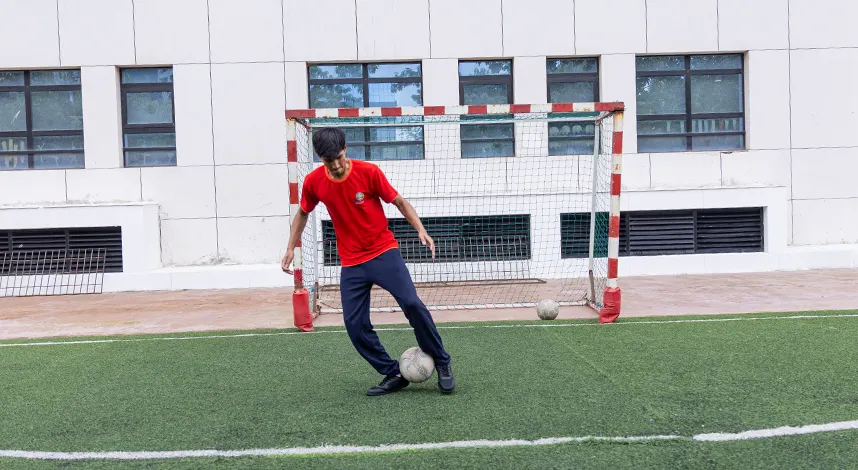
Regular physical activity is one of the most effective ways to support children's mental health, emotional wellbeing, cognitive development, and academic success. In the International Baccalaureate (IB), movement is viewed as an essential part of holistic education, helping students develop resilience, focus, balance, and lifelong healthy habits alongside academic excellence.
The International Baccalaureate (IB) is globally recognized for its academic depth. From primary years inquiry to the intensive research of the Diploma Programme, IB students constantly push their cognitive boundaries.
However, when schedules get packed, physical activity is often the first thing cut. Modern educational neuroscience reveals this is a mistake. Exercise is not a distraction from academics; it is the biological engine that fuels mental clarity, emotional resilience, and cognitive performance across all grade levels.
Research consistently shows that students who engage in regular physical activity experience lower stress levels, improved concentration, stronger memory, better emotional regulation, and enhanced overall wellbeing, making exercise an important contributor to both academic achievement and lifelong health.
How Physical Activity Benefits the Brain
Physical activity supports brain health by improving blood circulation, increasing oxygen supply to the brain, stimulating neuroplasticity, and strengthening the neural connections involved in learning, memory, and emotional regulation.
When a student exercises, their brain undergoes an immediate chemical reset:
- The Stress Cleanse: Physical activity drastically reduces stress hormones like cortisol while triggering endorphins—the body's natural mood lifters.
This helps students manage academic pressure more effectively while improving emotional resilience and reducing feelings of anxiety.
- The Neuroplasticity Boost: Exercise stimulates the production of BDNF, a protein that acts like fertilizer for the brain, helping build new neural pathways and improve memory retention.
Higher levels of Brain-Derived Neurotrophic Factor (BDNF) also support learning, creativity, and long-term cognitive development throughout childhood and adolescence.
- The Focus Reset: Aerobic movement floods the prefrontal cortex—the area responsible for problem-solving and deep focus—with fresh oxygen and glucose.
As a result, students often experience improved concentration, faster information processing, and greater mental clarity after exercise.
How Physical Activity Supports Mental Health and Wellbeing
Exercise benefits both mental and physical wellbeing by helping students cope with academic demands while building healthy routines that support lifelong wellness.
Regular movement acts as a protective shield for students across all age groups in three distinct ways:
1. Breaking the "Overwhelm Loop"
When deadlines stack up, the brain can enter a "fight-or-flight" state, leading to anxiety and procrastination. A quick 20-minute run, swim, or game of basketball forces the mind to focus on the physical present, allowing students to return to their desks with a calm, organized perspective.
Short movement breaks during study sessions can also improve attention span, reduce mental fatigue, and increase productivity.
2. Combating Burnout with Better Sleep
High cognitive stress often keeps the mind racing at night, disrupting the deep sleep cycles needed to process what was learned during the day. Regular physical exertion stabilizes a student's circadian rhythm, helping them fall asleep faster and sleep more deeply.
Quality sleep strengthens memory consolidation, emotional regulation, and overall academic performance, making recovery just as important as study time.
3. Rewriting Self-Esteem Beyond Grades
In a high-achieving environment, students can easily anchor their entire self-worth to report cards. Physical activity offers an entirely separate arena for personal growth. Improving a personal running time or working cohesively in a sports team builds an intrinsic sense of capability that has nothing to do with rubrics or percentages.
Participation in sports, dance, outdoor activities, and recreational exercise also encourages teamwork, leadership, perseverance, and confidence beyond the classroom.
How the IB Encourages Physical Activity and Wellbeing
The International Baccalaureate recognises that intellectual success is closely connected to physical health, emotional wellbeing, and balanced personal development.
The IB framework is uniquely structured to ensure that physical health is never treated as an afterthought, embedding movement directly into the school culture:
- The CAS Requirement (Creativity, Activity, Service): In the senior years, balance is mandated. The "Activity" component ensures students engage in regular physical exertion—whether through martial arts, yoga, or competitive sports—to earn their diploma.
CAS experiences encourage students to develop resilience, leadership, collaboration, and personal responsibility while maintaining healthy lifestyles throughout adolescence.
- The Holistic Learner Profile: From the early years onward, IB schools cultivate the attribute of being Balanced, teaching students to respect the interconnectedness of their physical, emotional, and intellectual well-being.
Being 'Balanced' encourages students to value physical activity alongside academic achievement, recognising that wellbeing supports lifelong learning and personal success.
Building Healthy Habits for Lifelong Wellbeing
Preparing students for the future means giving them the tools to manage stress in the real world. By encouraging regular movement—through school sports, weekend family activities, or active study breaks—we teach students a vital life skill: how to take care of their minds by moving their bodies.
Developing healthy exercise habits during childhood and adolescence can contribute to improved physical fitness, stronger mental health, greater resilience, and healthier lifestyles well into adulthood.
References & Further Reading
- Exercise and Brain Chemistry: Harvard Medical School – Executive Function and Physical Activity
- The IB Philosophy on Balance: International Baccalaureate – The CAS Framework
- Physical Activity and Youth Mental Health: The Lancet Psychiatry Study on Exercise and Mental Wellbeing
FAQs
Physical activity improves mental health by reducing stress hormones such as cortisol while increasing endorphins and other brain chemicals that promote positive mood and emotional wellbeing. Regular exercise also helps students manage anxiety, improve self-confidence, build resilience, and maintain a healthy balance between academic responsibilities and personal wellbeing.
Exercise supports academic performance by increasing blood flow to the brain, improving concentration, strengthening memory, and enhancing problem-solving abilities. Regular physical activity also promotes better sleep, reduces mental fatigue, and improves emotional regulation, allowing students to learn more effectively and remain focused during lessons and independent study.
Physical activity is an important part of the IB philosophy because the programme promotes holistic education and balanced development. Through sports, physical education, and the Creativity, Activity, Service (CAS) programme, students develop resilience, teamwork, leadership, self-discipline, and lifelong healthy habits alongside academic excellence.
The IB Learner Profile encourages students to be 'Balanced' by recognising the importance of intellectual, physical, and emotional wellbeing. Students are encouraged to maintain healthy lifestyles, participate in regular physical activity, and develop habits that support both personal wellbeing and academic success.
The World Health Organization recommends that children and adolescents aged 5–17 engage in at least 60 minutes of moderate to vigorous physical activity every day. Activities such as walking, running, cycling, swimming, dancing, sports, and active play all contribute to healthy physical and mental development.
Yes. Exercise is one of the most effective natural stress-management strategies. Physical activity lowers stress hormones, improves mood, increases mental clarity, and helps students feel calmer during demanding academic periods. Even short walks, stretching, yoga, or light exercise between study sessions can improve focus and reduce anxiety.
Students benefit from a variety of physical activities, including walking, running, swimming, cycling, team sports, dance, yoga, martial arts, strength training, and outdoor recreation. Choosing activities they genuinely enjoy makes it easier to maintain regular exercise and build lifelong healthy habits.
Parents can encourage active lifestyles by participating in family walks, outdoor games, cycling, hiking, sports, or weekend recreational activities together. Limiting excessive screen time, encouraging regular movement breaks, and modelling healthy habits also help children develop a positive relationship with physical activity throughout life.