FAQs
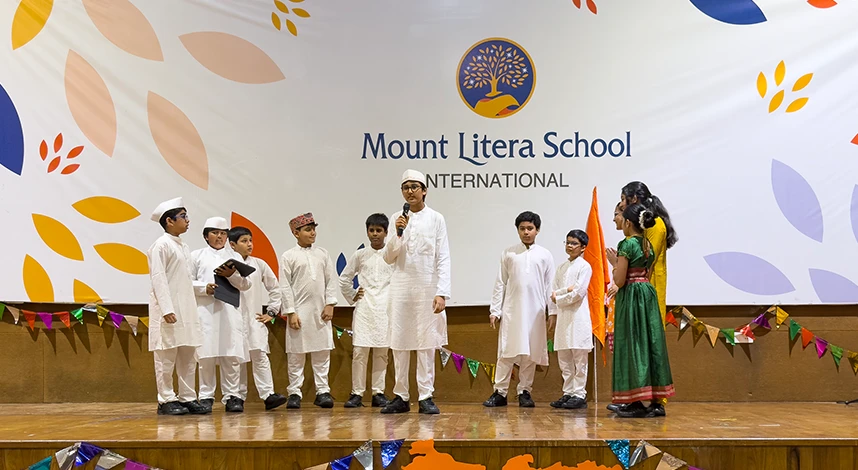
IB schools build confidence by giving learners regular opportunities to express their ideas, collaborate with others, reflect on their learning, and take meaningful action. Rather than focusing only on academic achievement, the International Baccalaureate develops the whole child through inquiry-based learning, student agency, and authentic learning experiences. As students participate in presentations, discussions, performances, and collaborative projects, they gradually become more confident, resilient, and independent learners.
The IB Learner Profile encourages students to become confident Communicators, courageous Risk-takers, thoughtful Reflective learners, and Open-minded individuals. These attributes help students approach unfamiliar situations with confidence rather than fear. Whether presenting an inquiry, participating in a debate, or performing on stage, learners are encouraged to view challenges as opportunities for growth, helping them develop resilience and self-belief over time.
Student agency allows learners to take ownership of their learning by making choices, setting goals, reflecting on their progress, and taking meaningful action. When students feel their ideas are valued and their voices matter, they become more willing to participate, take risks, and solve problems independently. This sense of ownership helps develop confidence, resilience, motivation, and a lifelong love of learning.
Approaches to Learning (ATL) skills are a core part of the IB curriculum and help students become independent, self-regulated learners. They include communication, thinking, research, social, and self-management skills that learners use across all subjects and real-life situations. By developing these transferable skills, students become more organised, confident, reflective, and capable of navigating new challenges both inside and outside the classroom.
Yes. Public speaking and presentations are integrated throughout the IB continuum. Students regularly share their learning through classroom presentations, assemblies, exhibitions, student-led conferences, collaborative projects, debates, performances, and community events. These authentic opportunities help learners develop confidence, effective communication skills, critical thinking, and the ability to present ideas clearly to different audiences.
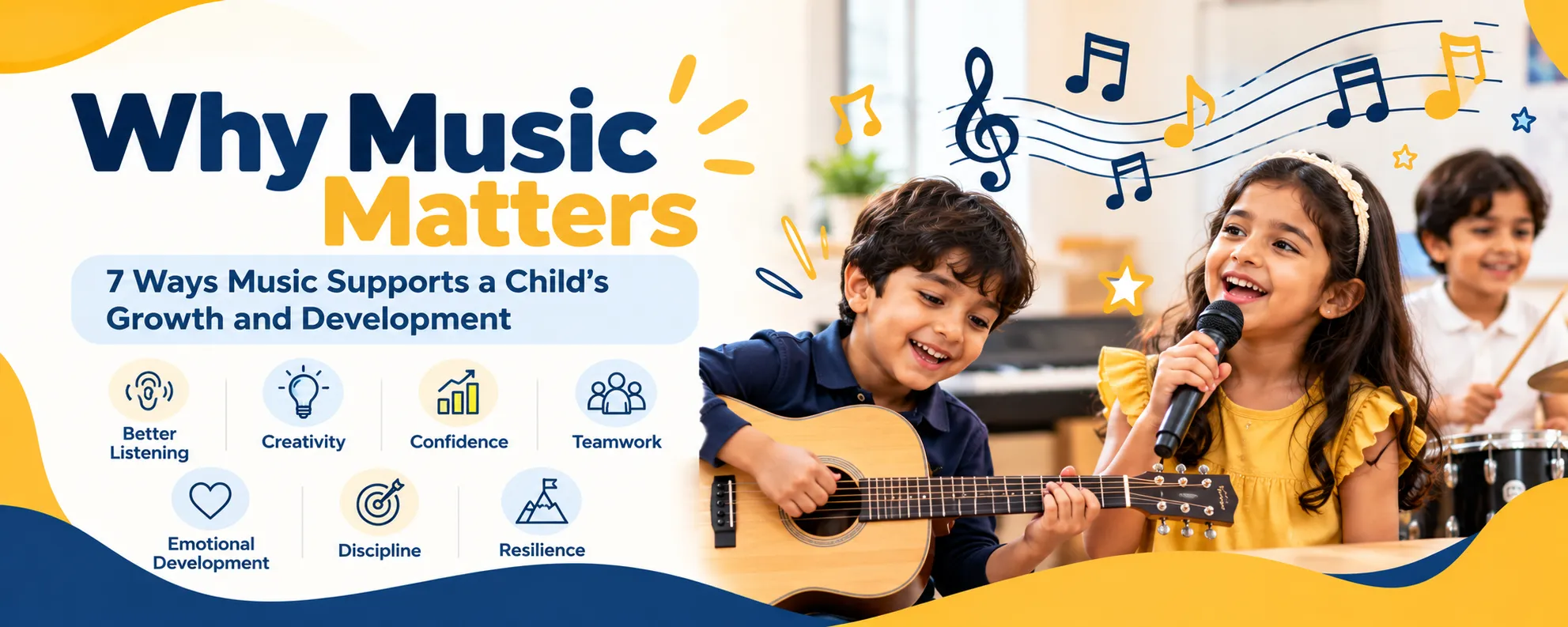
The arts play an important role in helping students develop confidence, creativity, and self-expression. Through music, drama, dance, visual arts, storytelling, and performance, learners explore new ideas, take creative risks, and share their work with others. These experiences encourage students to communicate confidently, collaborate effectively, and appreciate different perspectives while developing resilience and a positive sense of identity.
Absolutely. IB schools recognise that every child develops confidence in their own way and at their own pace. Teachers create supportive learning environments where all students are encouraged to participate without fear of judgement. Rather than expecting children to speak confidently immediately, the IB gradually builds communication skills through collaborative learning, inquiry, reflection, and authentic experiences. Many quieter learners grow into confident communicators as they feel safe, respected, and valued within the school community.
Share this article
Related Blogs
Safe and Unsafe Touch: How to Teach Kids Body Safety
Learn how to teach children about safe and unsafe touch, body boundaries, private parts, trusted adults and what to do if a touch feels wrong.
Time Management for Students in MYP and DP
Discover effective time management strategies for students. Learn how to manage study time for students balancing intense MYP and DP academic workloads. Read now!
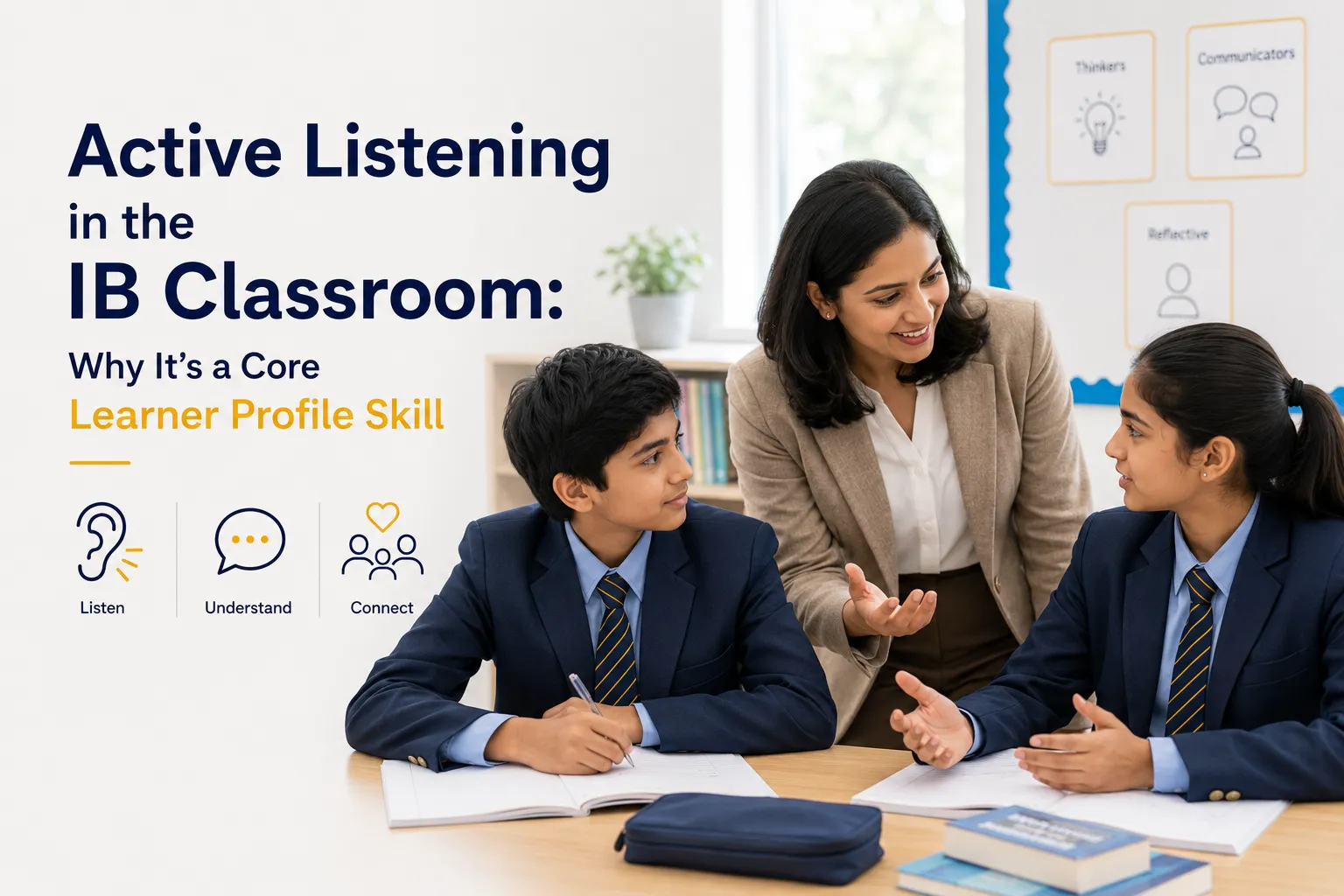
Why Active Listening Is Essential in IB Schools | IB Learner Profile
Discover how active listening supports the IB Learner Profile, Approaches to Learning (ATL), inquiry-based learning, communication skills and holistic student development across the PYP, MYP and DP.